

Species Spotlight
Species Spotlight
Learn more about the species that inhabit the Edmonton area.
Mammals

The shy and curious red fox often fills the role of the cunning trickster in human imagination.

The snowshoe hare is a ubiquitous sight in Canadian forests.

Also known as big stoat or masked ermine, long-tailed weasels are small, cute, and fuzzy.

Little brown bats are gentle and shy nocturnal, flying mammals.

The Canada lynx is one of three Canadian members of the cat family (Felidae) including the bobcat and cougar. They are elusive nighttime hunters that are rarely seen in the wild.
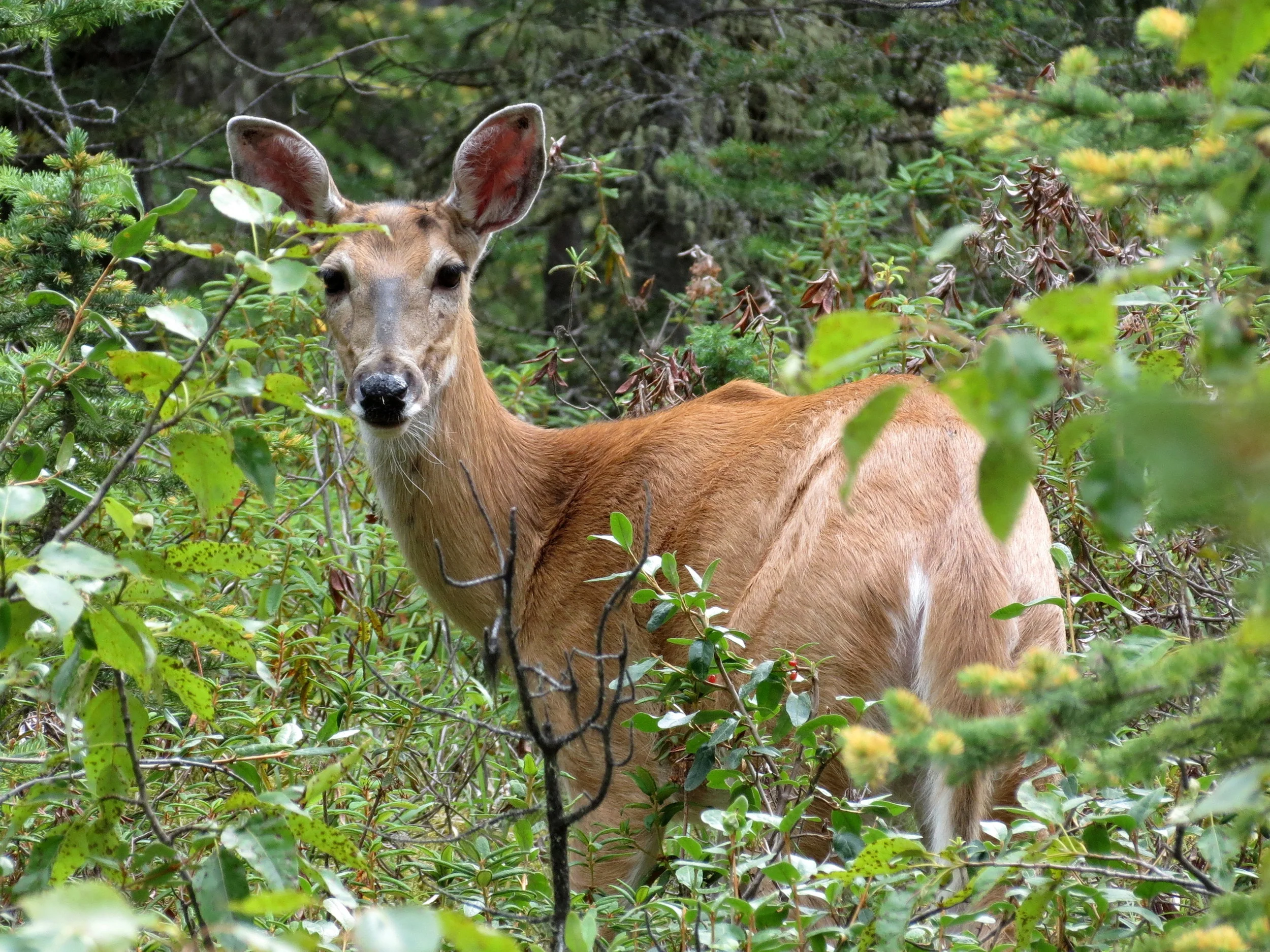
White-tailed deer are an iconic species in the Alberta countryside.
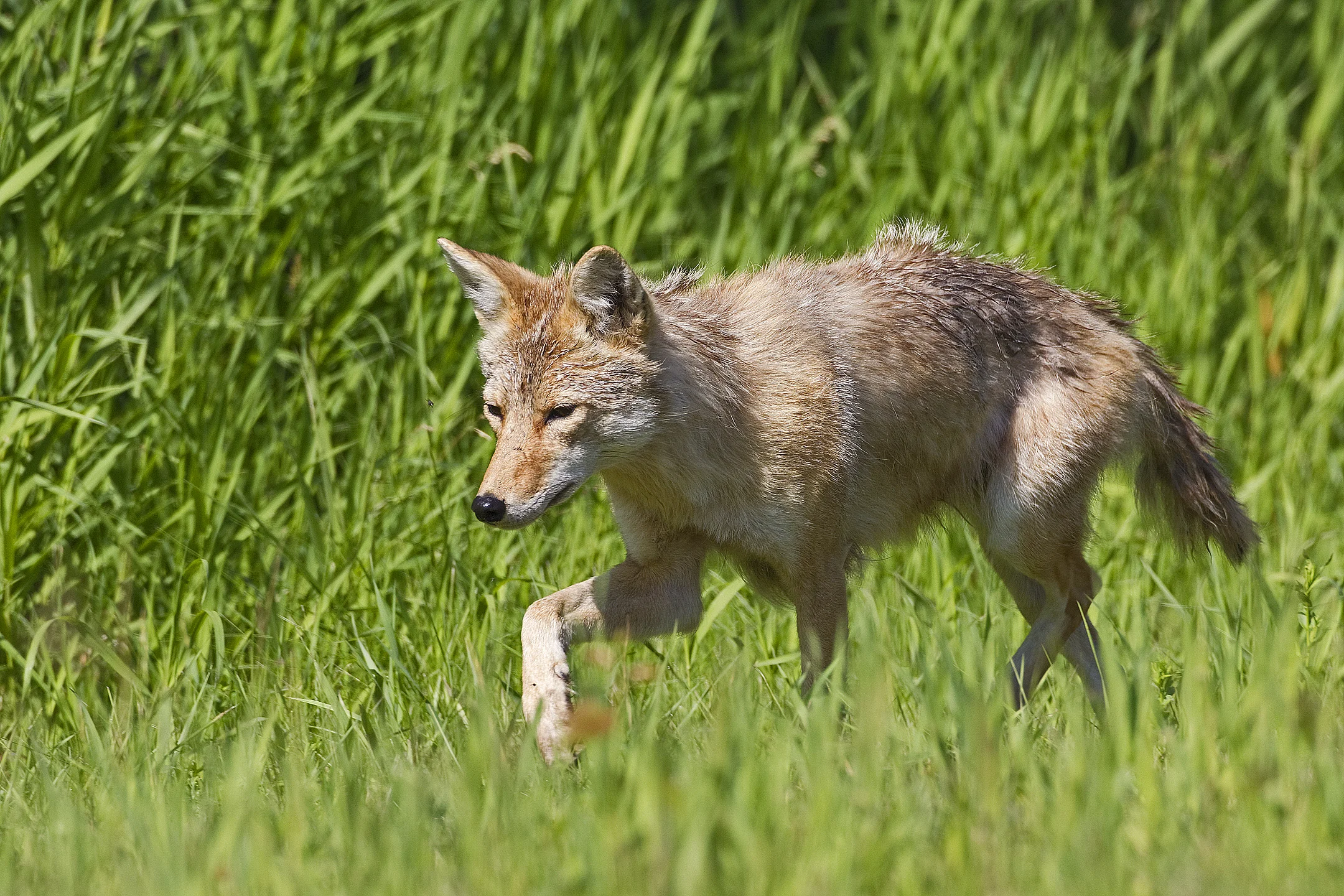
The coyote is a medium-sized wild canine, a relative of both the wolf and your family dog, though a coyote has several distinct features and traits.

Beavers are keystone species literally and symbolically in Canada - these engineers have a larger-than-life impact on their surroundings and have even claimed their fame as our national emblem.
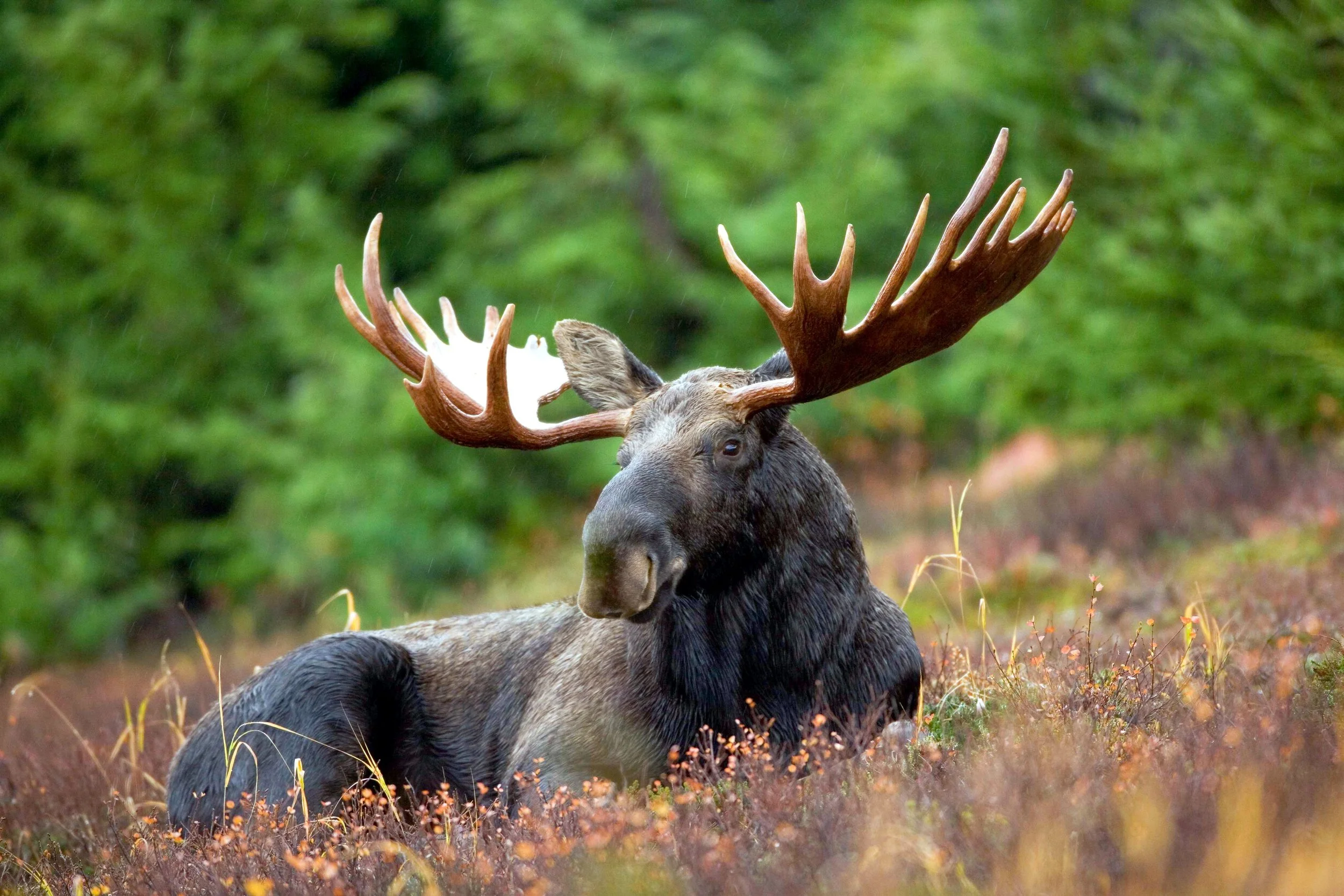
Moose are majestic giants who move quietly through the forest, rarely giving themselves away with a sound, but rather drawing your eye to their large shadowy figure.
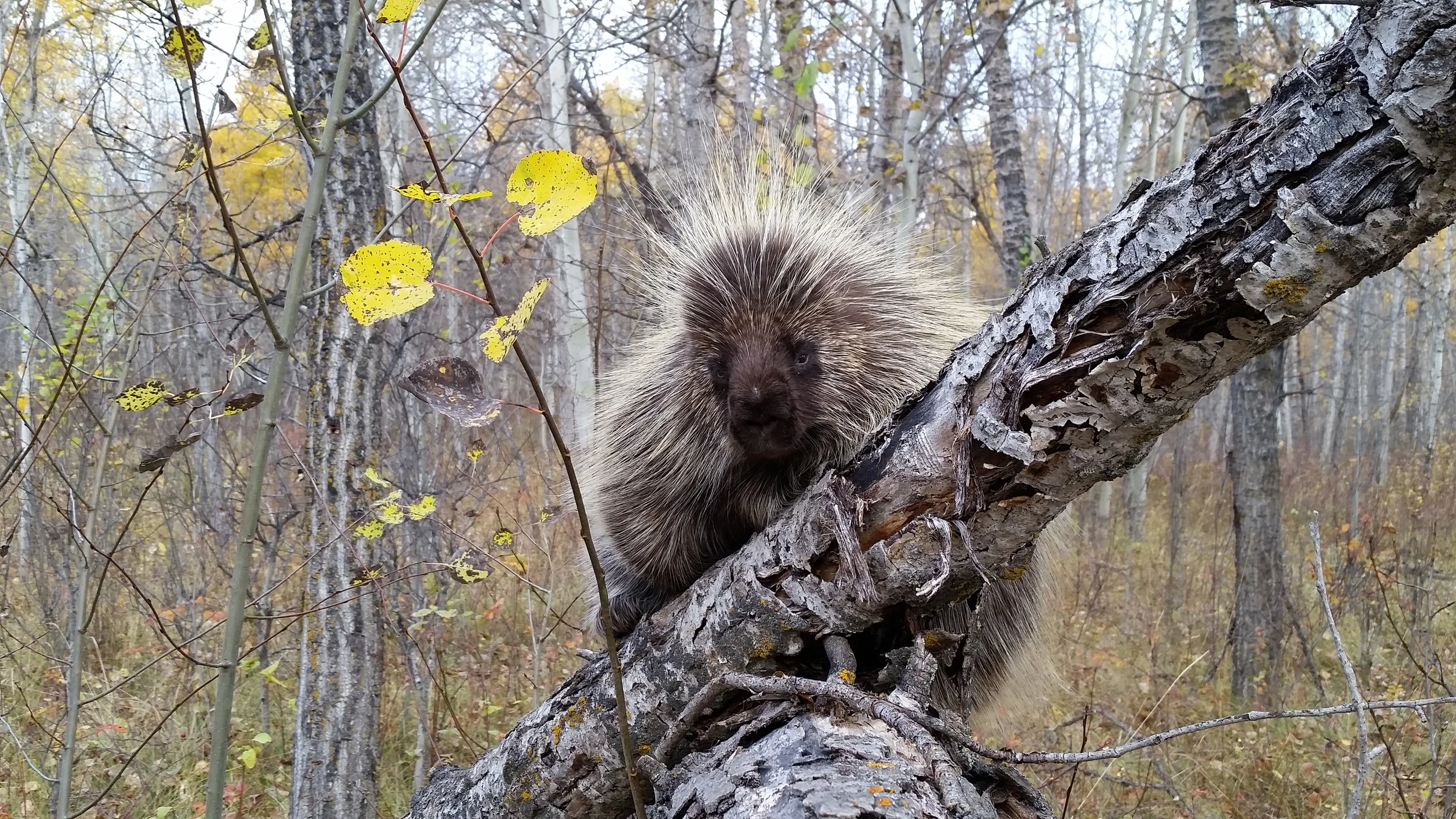
Porcupines are gentle, misunderstood creatures who slowly, quietly wander our forests.
Birds
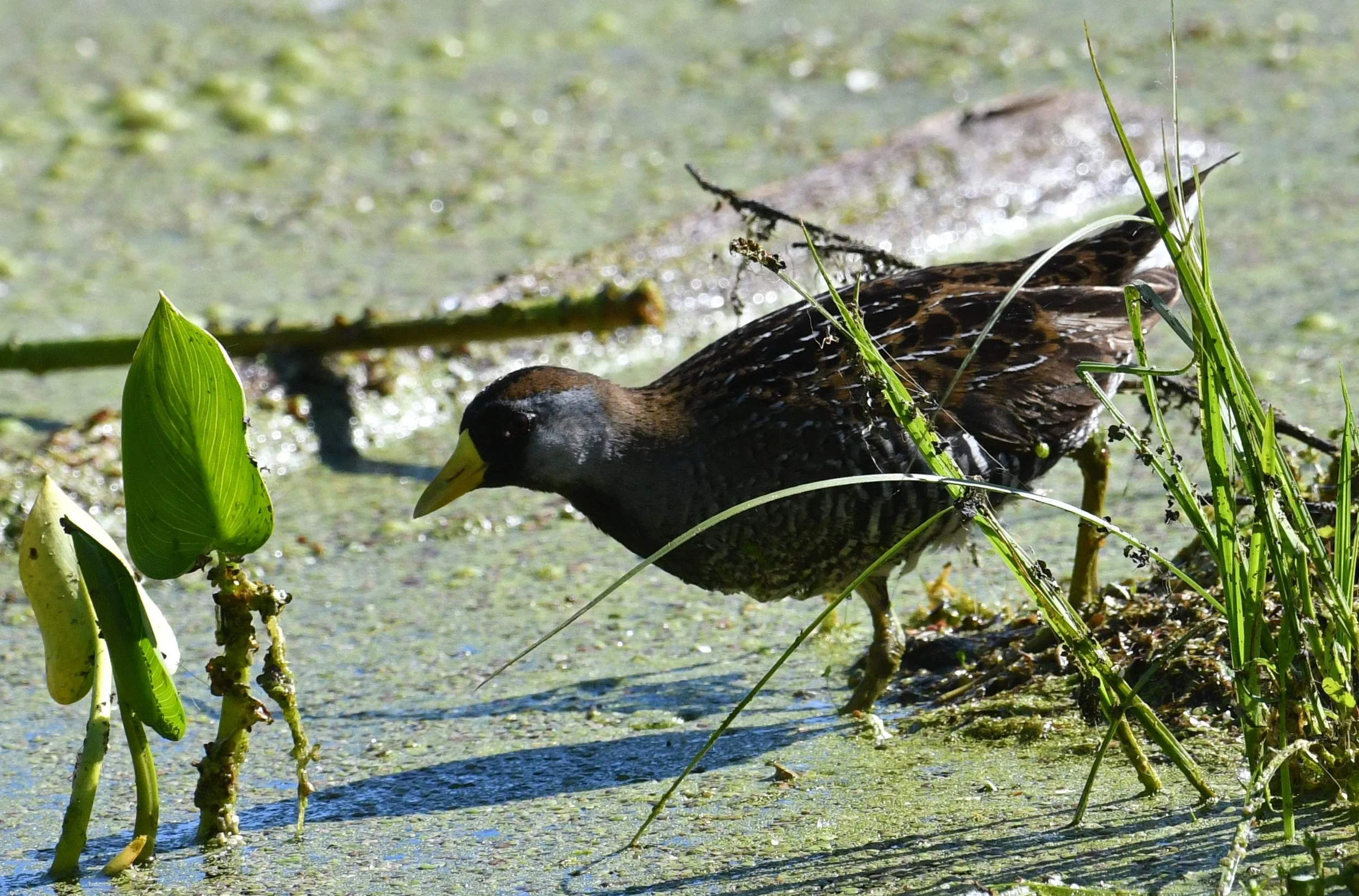
Soras are a small chicken-like bird that spends most of its time hiding amongst the reeds in marshes and wetlands.

The Yellow Warbler is one of the easiest birds to identify within Alberta.

The Northern Saw-whet Owl is a small owl, but don’t let their small stature fool you!

The Least Flycatcher is a small songbird species known for its hawking behaviour; darting out from a branch to catch insects on the fly.
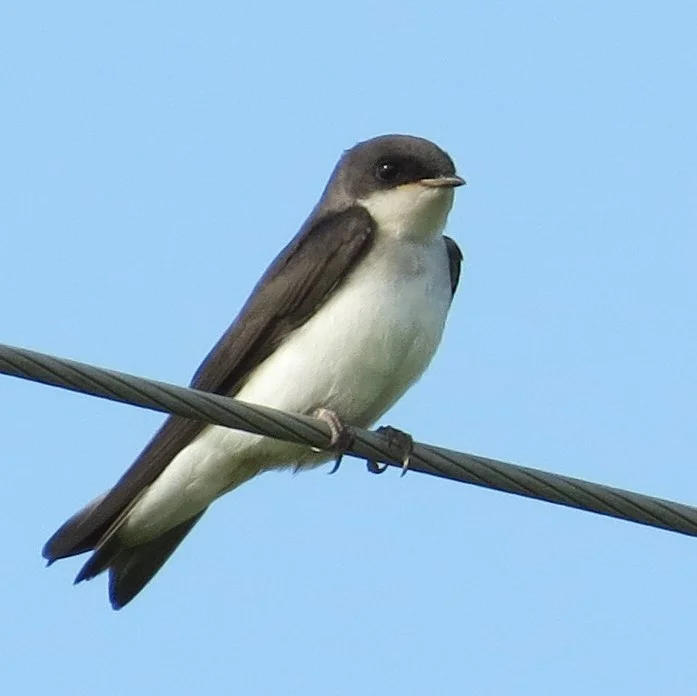
The Tree Swallow is a common sight in central Alberta.
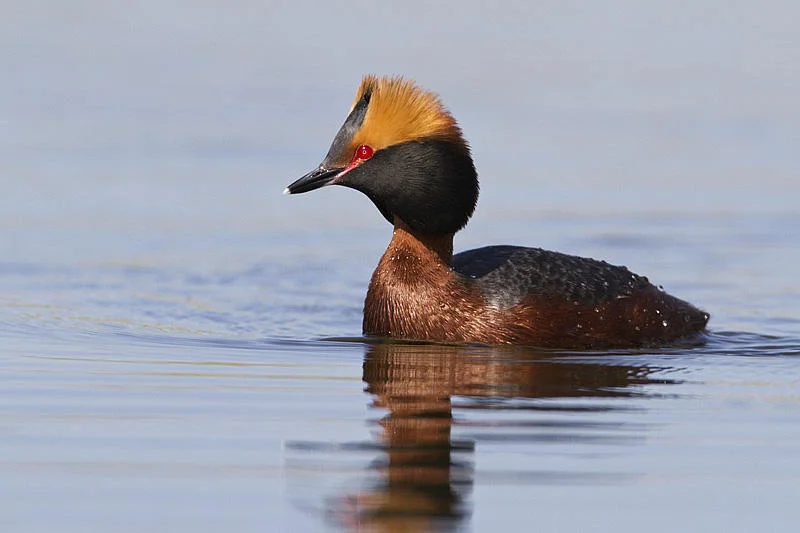
The Horned Grebe is one of several species of grebes that live in Alberta.
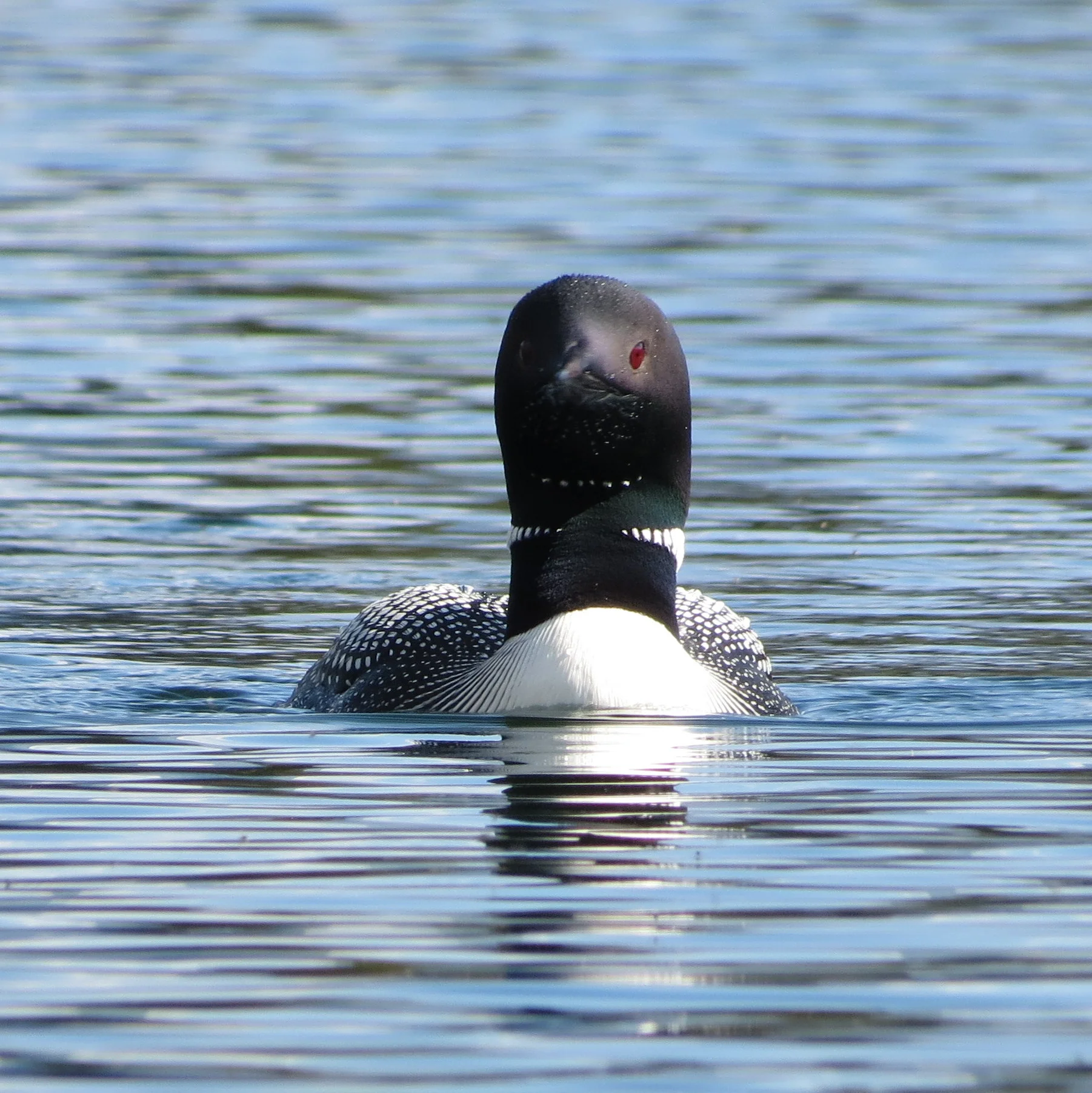
Common Loons are hard to miss on Canadian lakes - if you don't spot these large tuxedo waterbirds in the middle of the lake, you are sure to hear its yodeling calls.
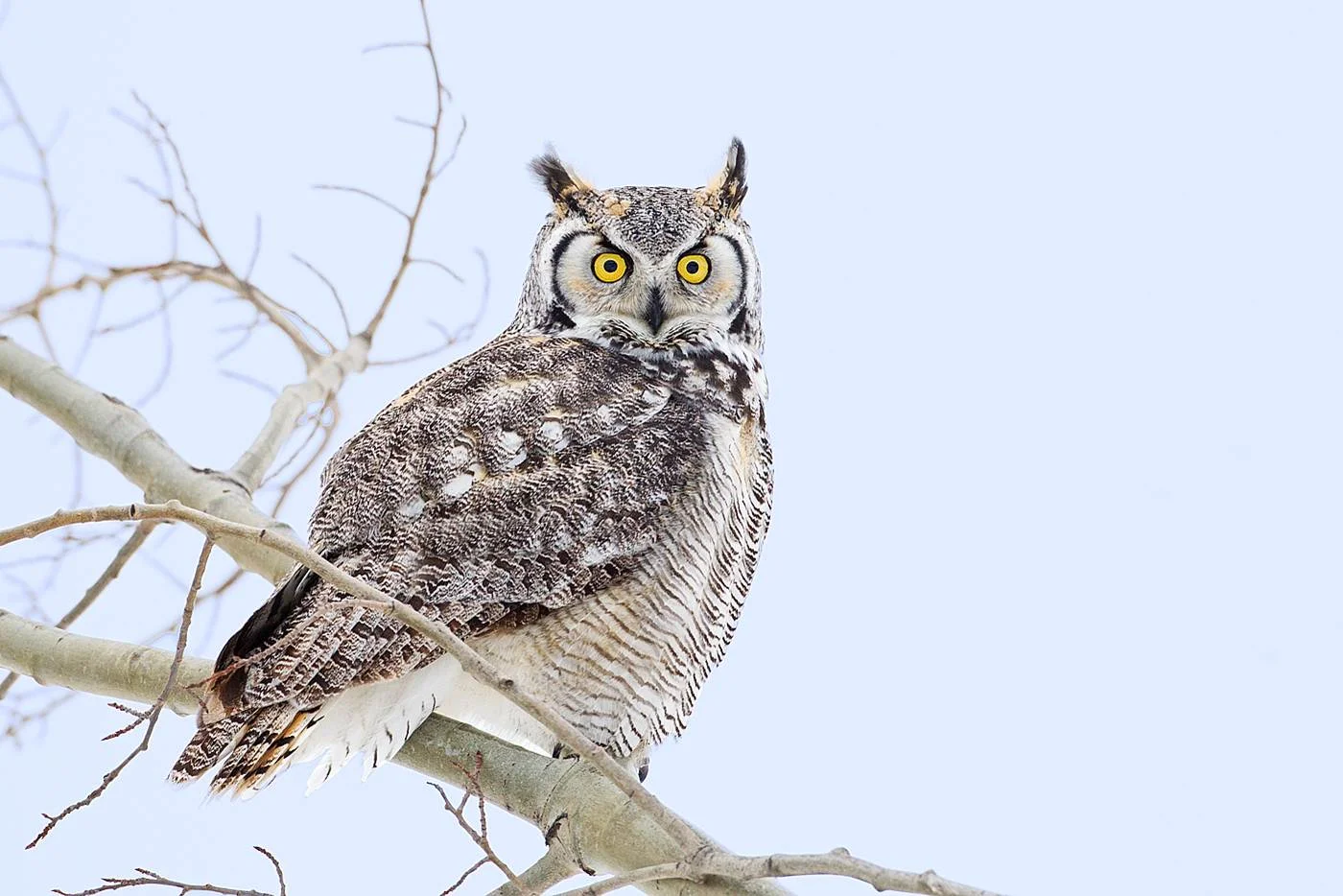
Great Horned Owls are Alberta's Provincial Bird making them a highly iconic species.
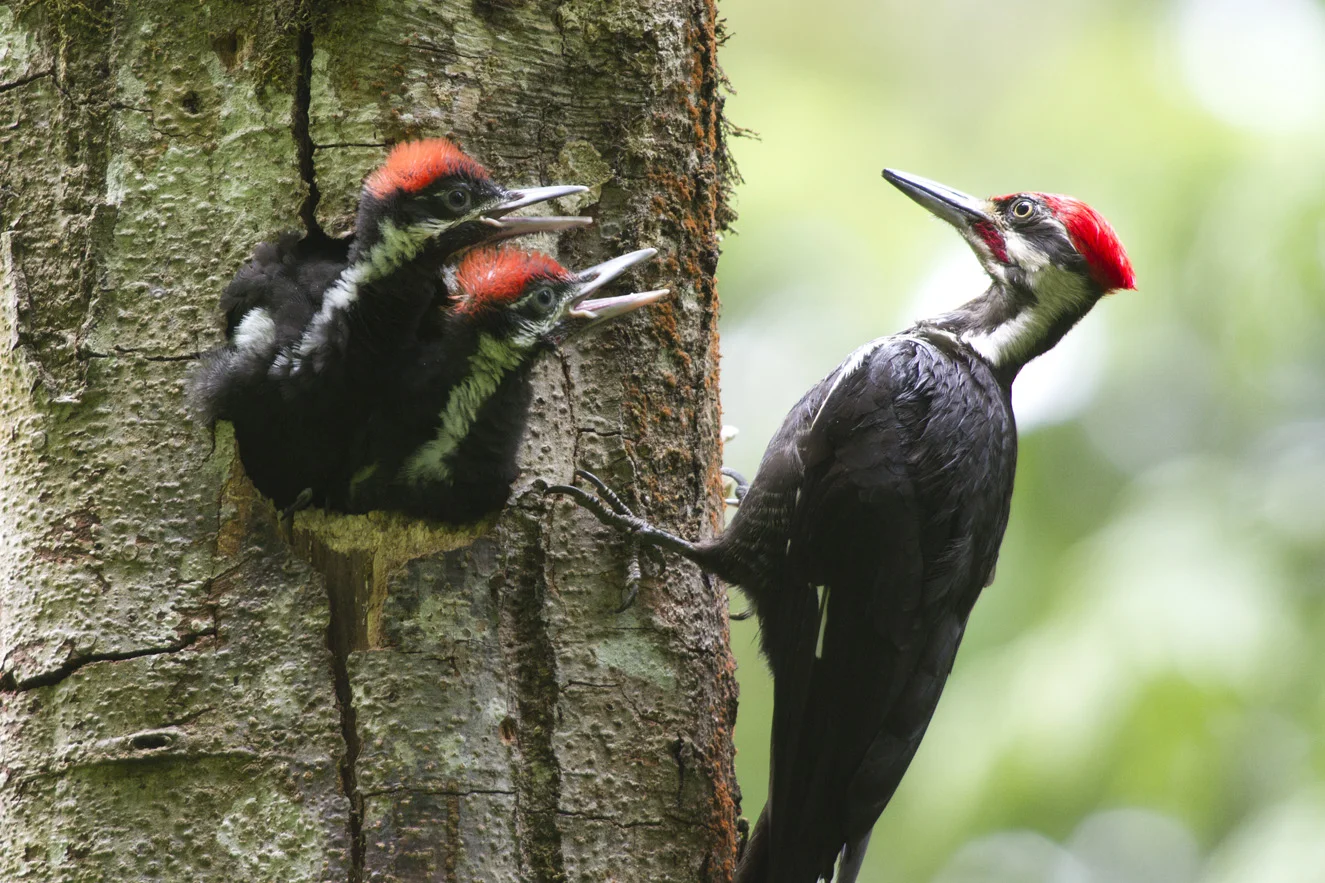
The majestic Pileated Woodpecker is North America’s largest woodpecker, due to the unfortunate, virtual extinction of the Ivory-billed Woodpecker.
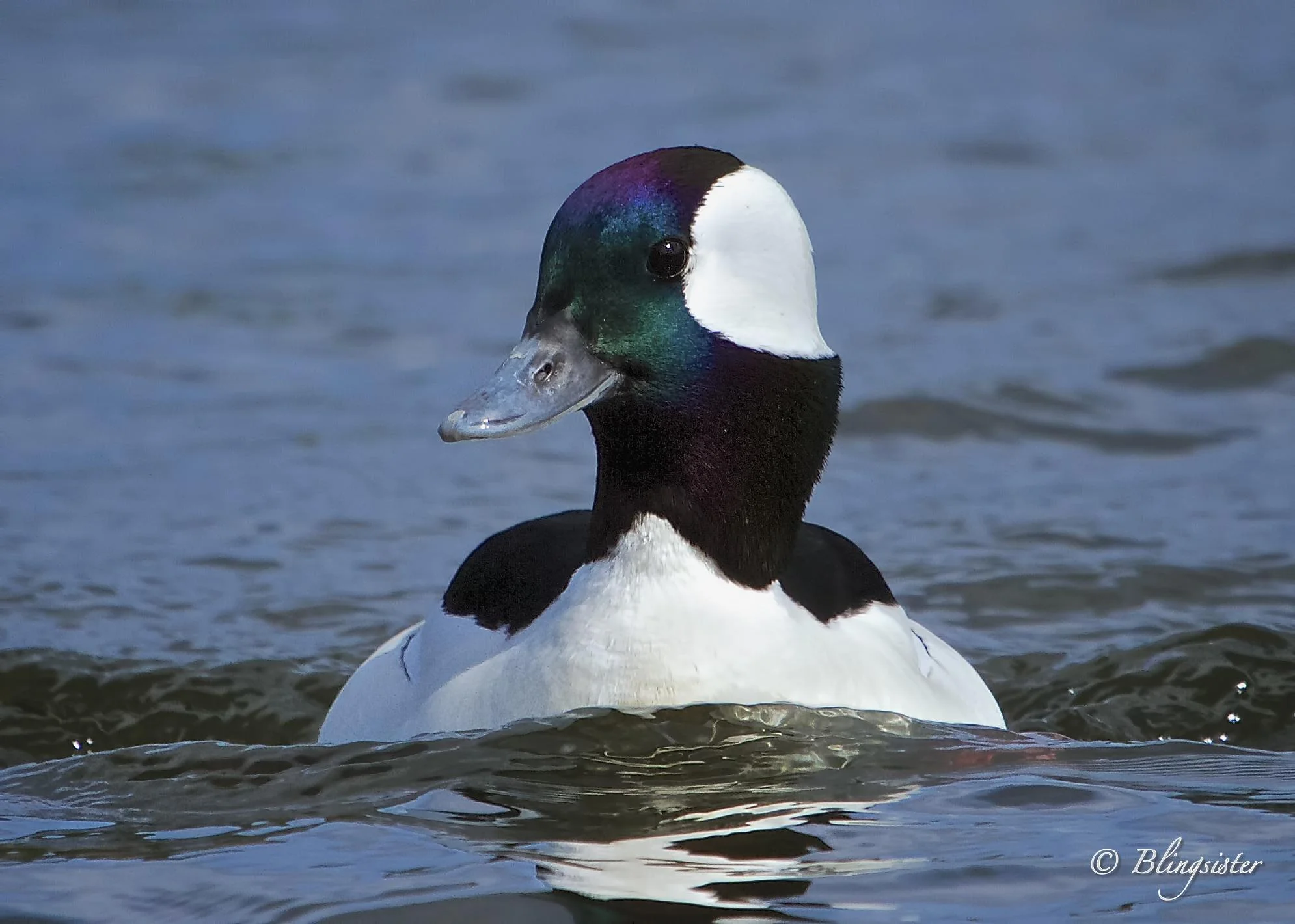
This uncommon, small diving duck catches our eye in Alberta lakes and wetlands.
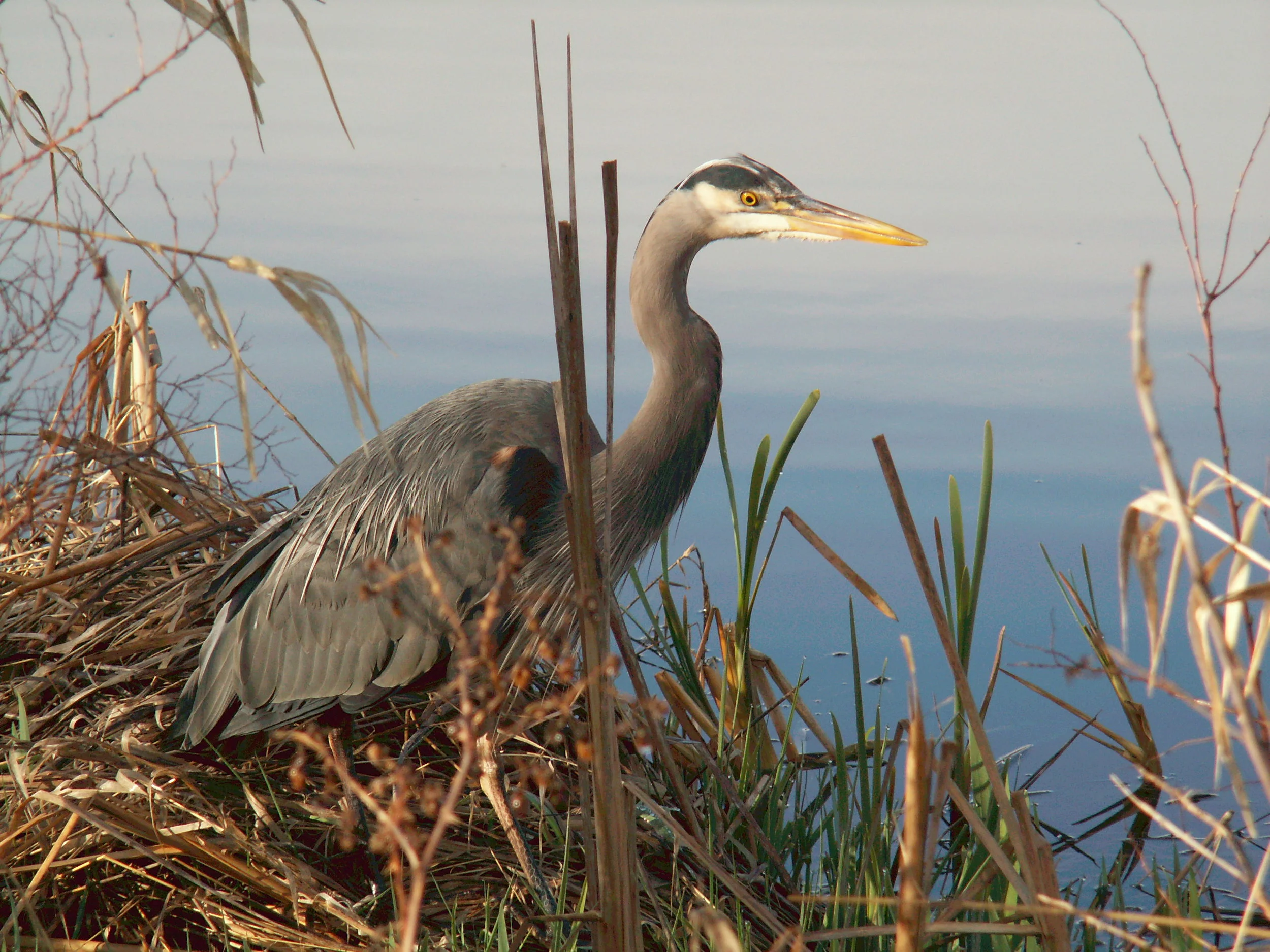
The Great Blue Heron is a majestic bird that you may have noticed in shallow waters, standing as still as a statue, stealthily searching for food.
Amphibians

Stout and warty, the boreal toad is exactly what most people think of when they picture a toad.

The western tiger salamander is one of the largest salamander species in North America.

The boreal chorus frog is a member of the family Hylidae (“HYE-lih-day”), also known as the tree frog family.
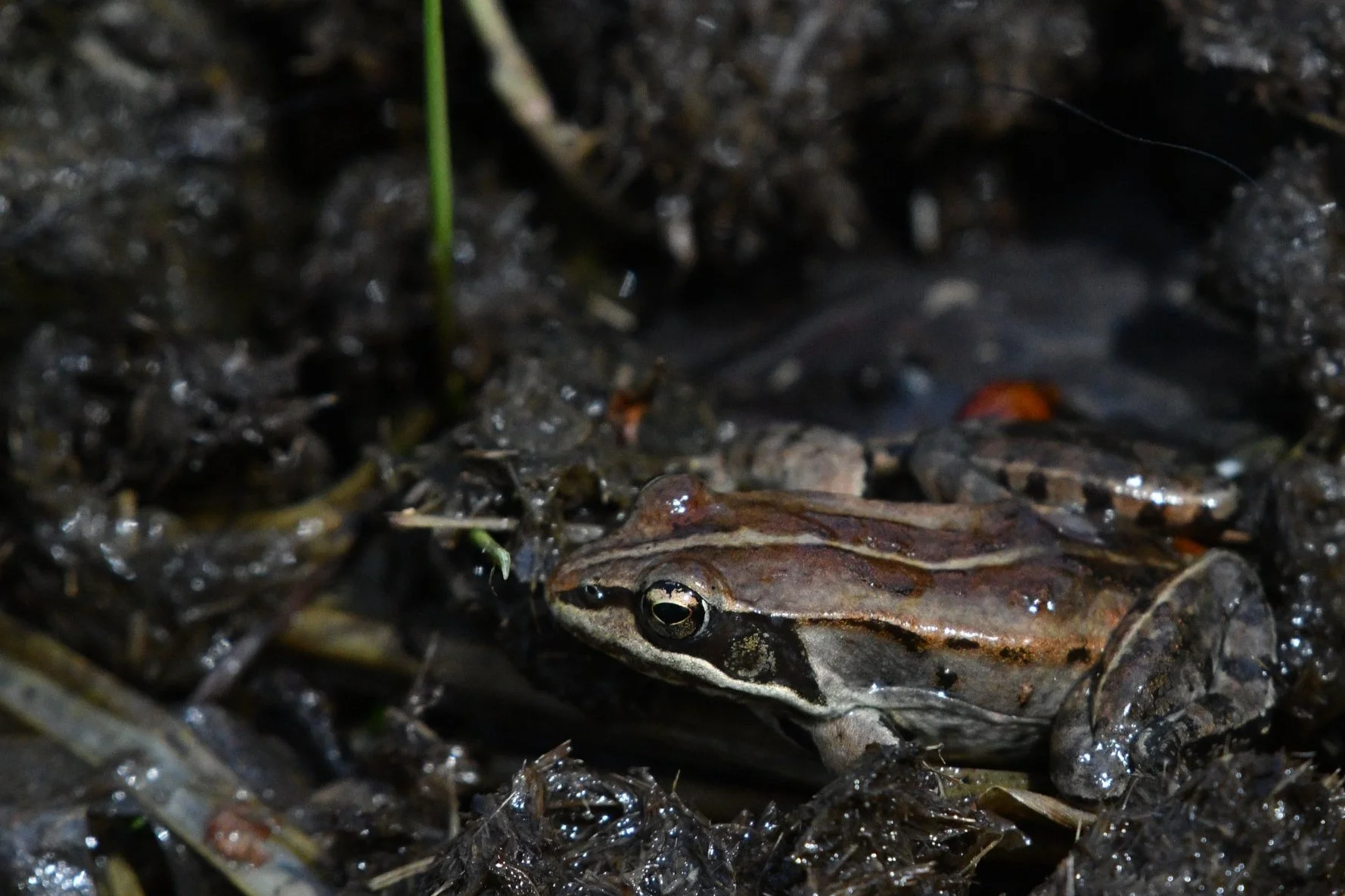
The wood frog is a member of the Ranidae family.
Reptiles

Of the six species of snake to call Alberta home, the red-sided gartersnake has the largest range and is the species most likely to be found in the Edmonton region.
Plants

Pasture sagewort is a perennial herb with medicinal importance found in overgrazed pastures and dry prairie grasslands.

Tamarack, also known as Larch, is a distinctive and beloved species of conifer, noteworthy for its beautiful golden needles in the autumn.

This forb is distinctive and reminds many people of refreshing rejuvenation during hot summer days.

Saskatoon bushes are a shrub with tasty edible berries that is common in the Edmonton region.
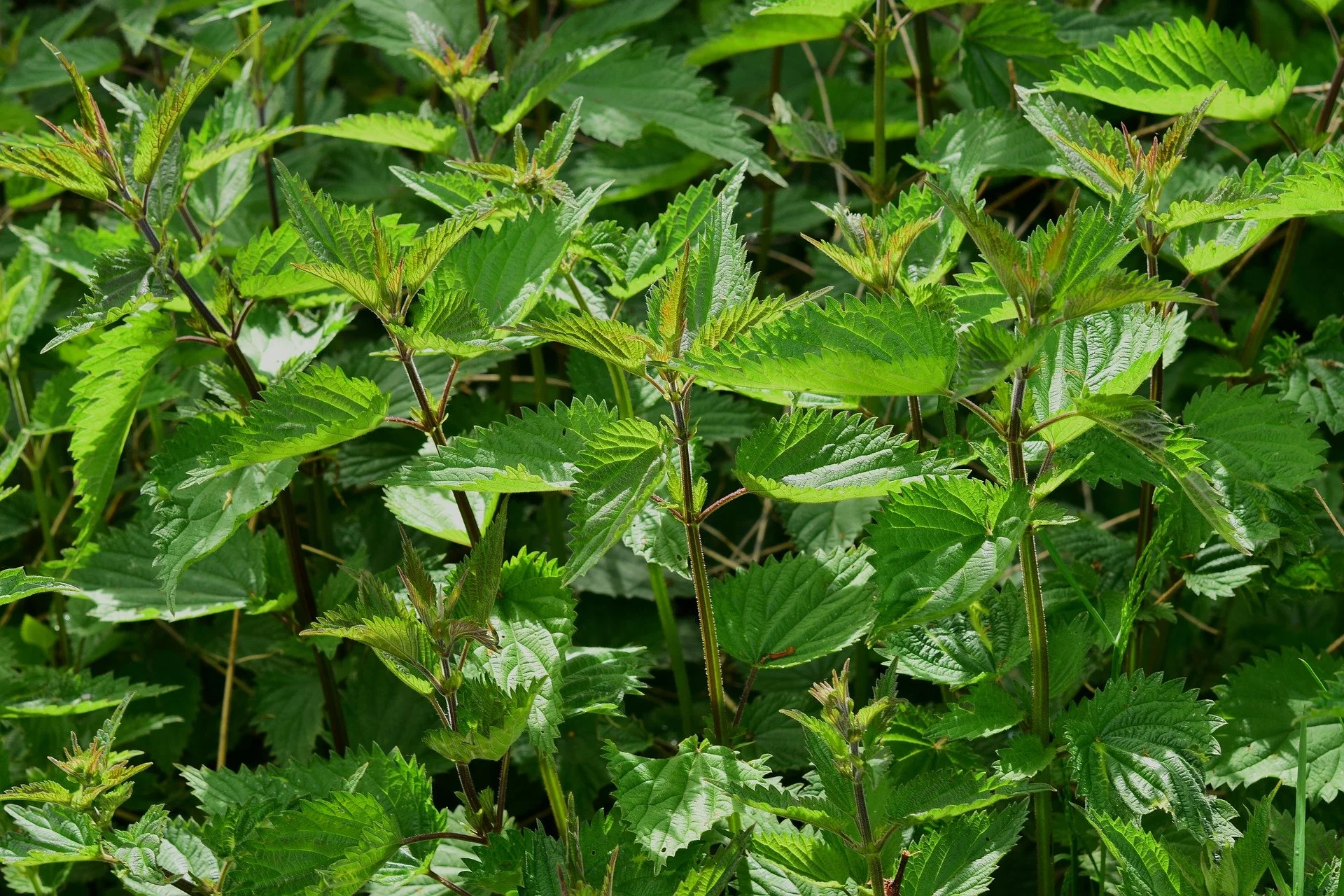
Stinging Nettle is a fitting name for this plant, because it has formic acid in its leaf hairs.
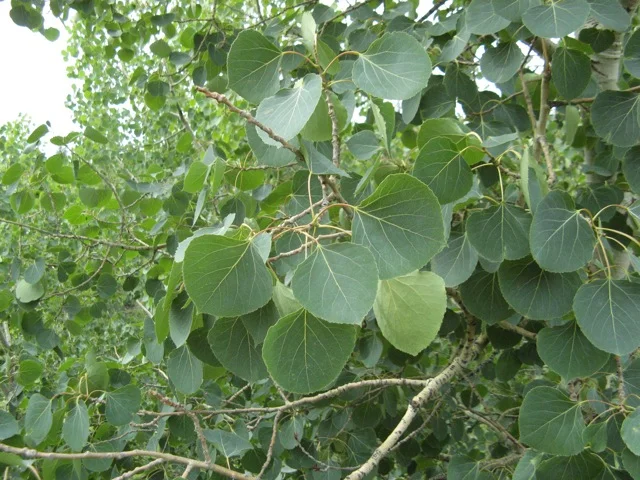
This tree is essential to the Aspen Parkland, the ecoregion where Edmonton is found.
Volunteers are at the heart of all of our accomplishments and make our conservation work possible. Find out about volunteer opportunities!
The fisher is possibly the swiftest and most agile member of the weasel family.
Read More