

Medicine Garden
Indigenous Medicine Garden
The Indigenous Medicine Garden serves as a habitat for native and medicinal plant species, a gathering space for community events, and an opportunity for guests who possess the cultural knowledge of protocol to harvest medicines for their families and communities.
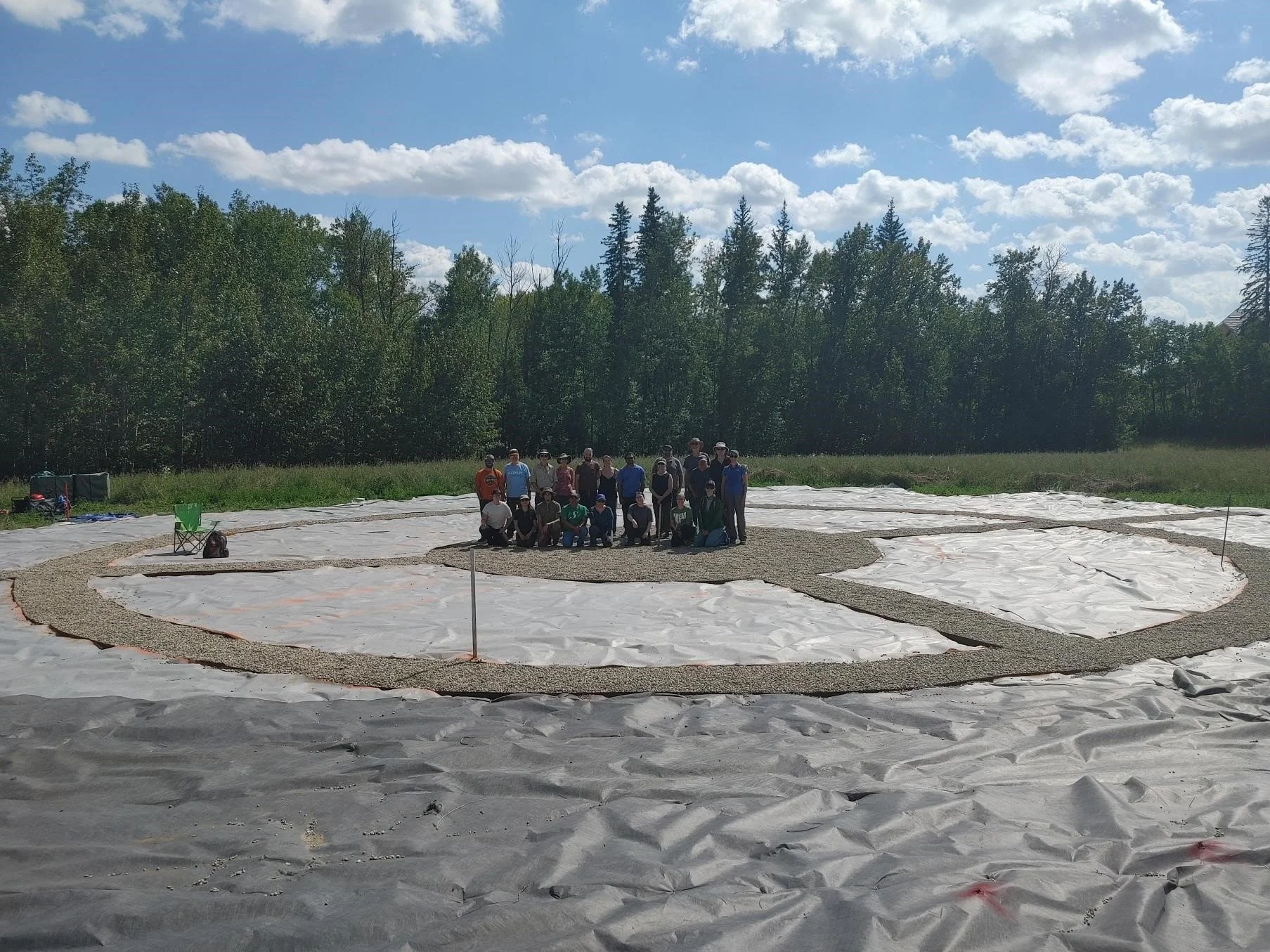
Planning
Our planning phase consisted of Ceremony, a Sharing circle, and a drafting phase with back and forth discussion on the design of the garden including the layout of the plots, the species, the aesthetics and how to go about the project in a culturally rooted and informed way.
Thank you to all Knowledge Keepers and Facilitators: Violet Whiteford, Cynthia Cowan, Natalie Pepin, Michelle Nieviadomy, and George Quinn.
Building
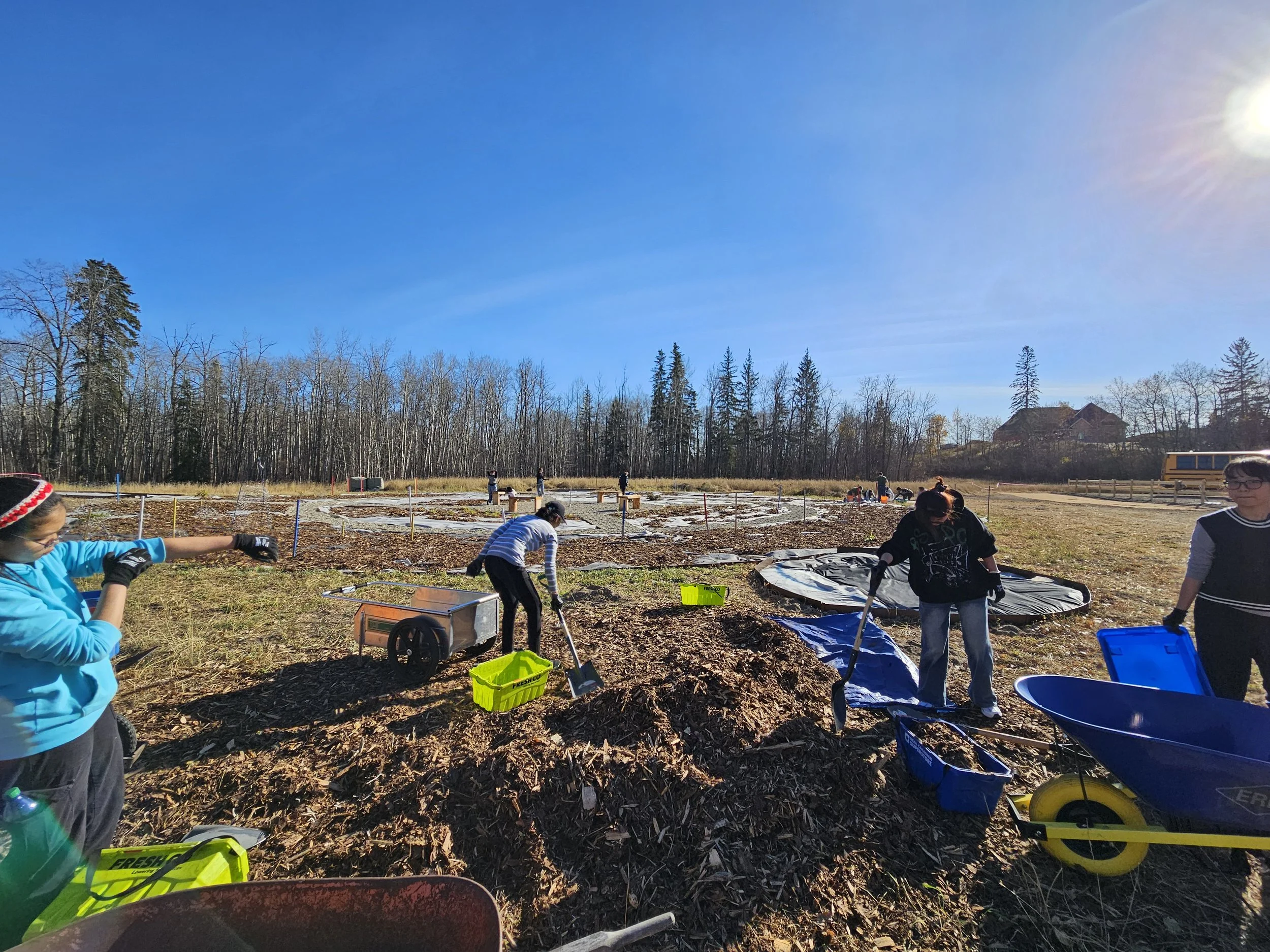
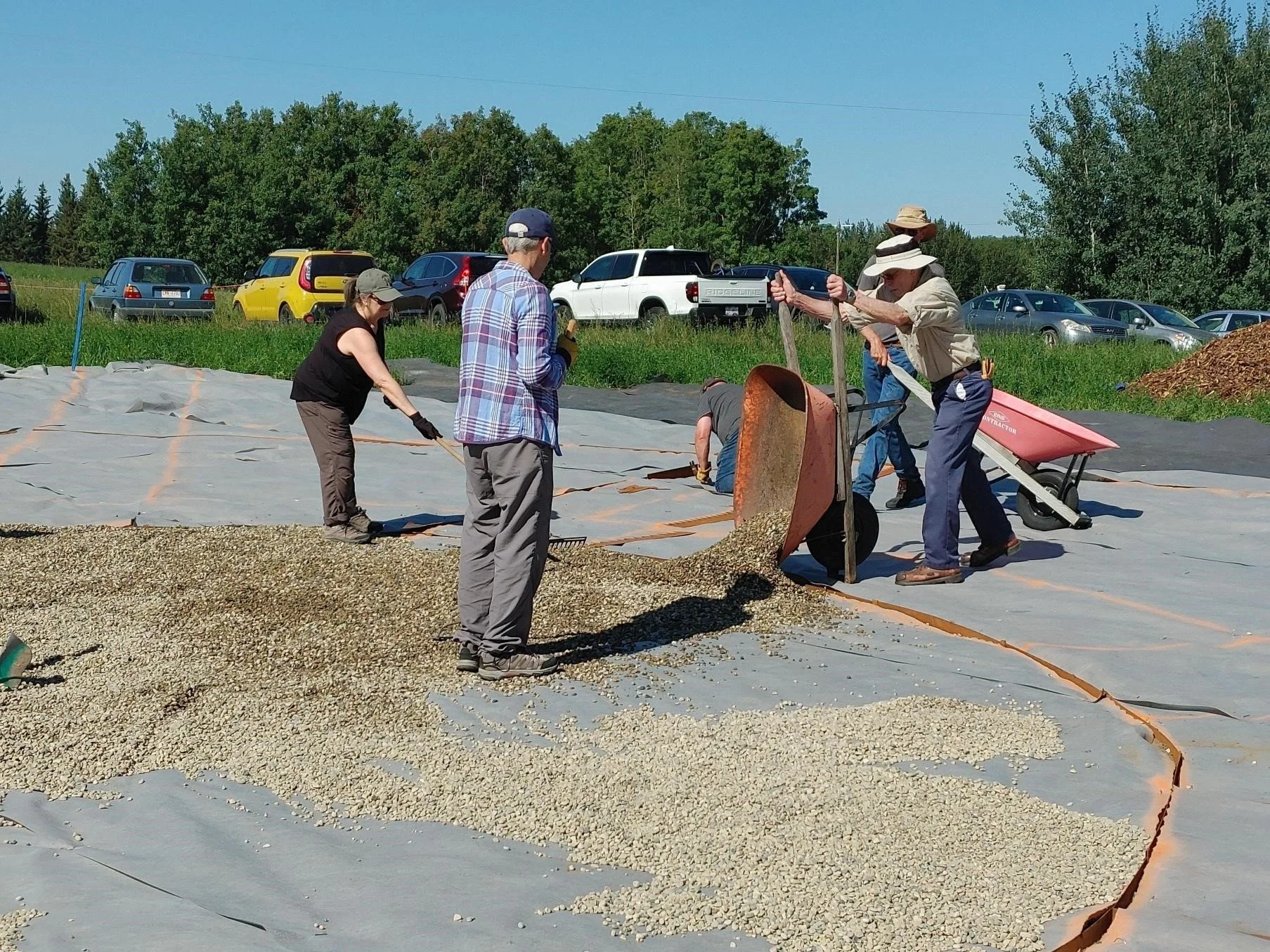
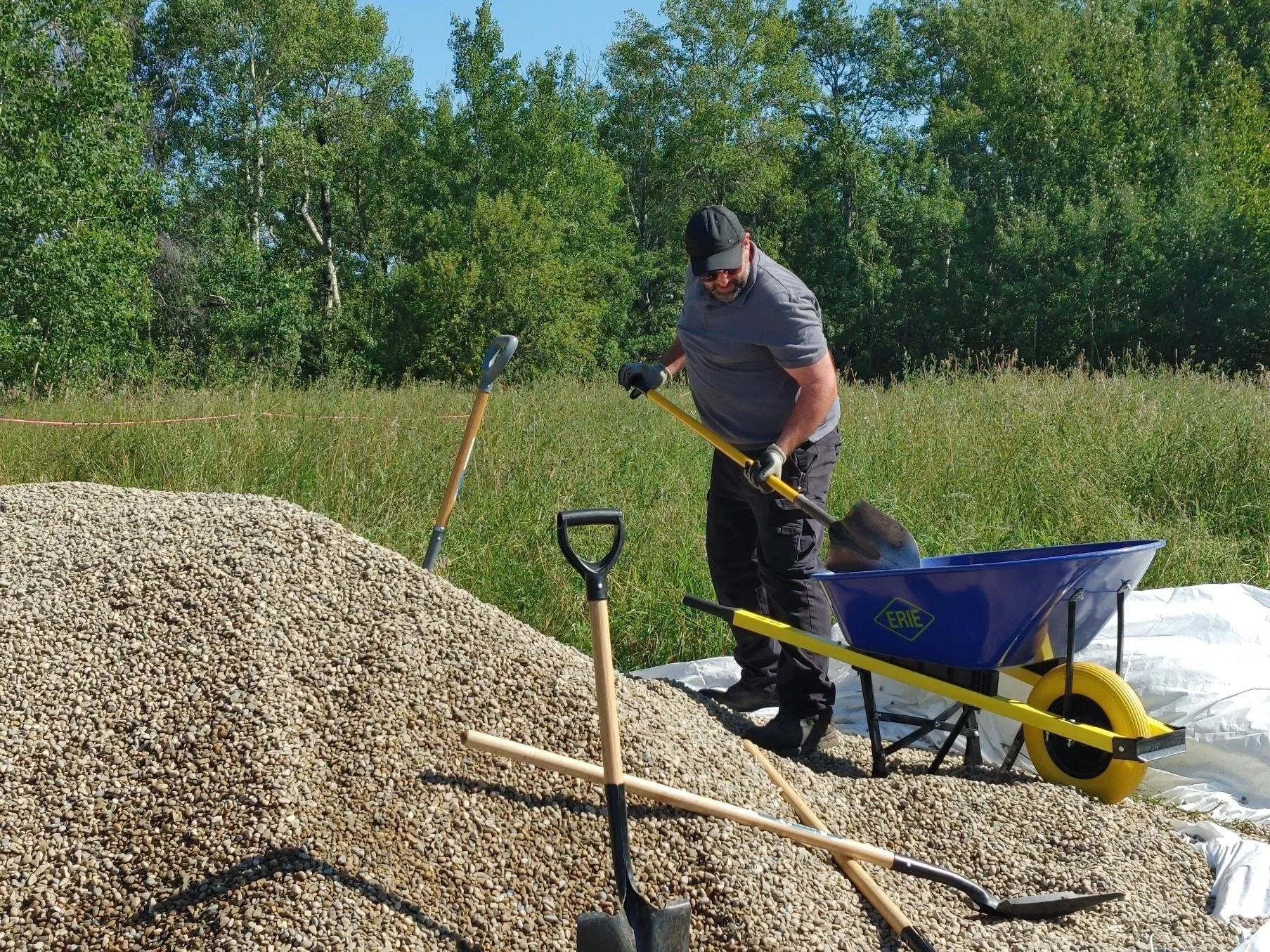
Building the Medicine Garden took a lot of help from our Indigenous Community partners and all of our volunteers!
Thank you to everyone who participated in the establishment of the garden.
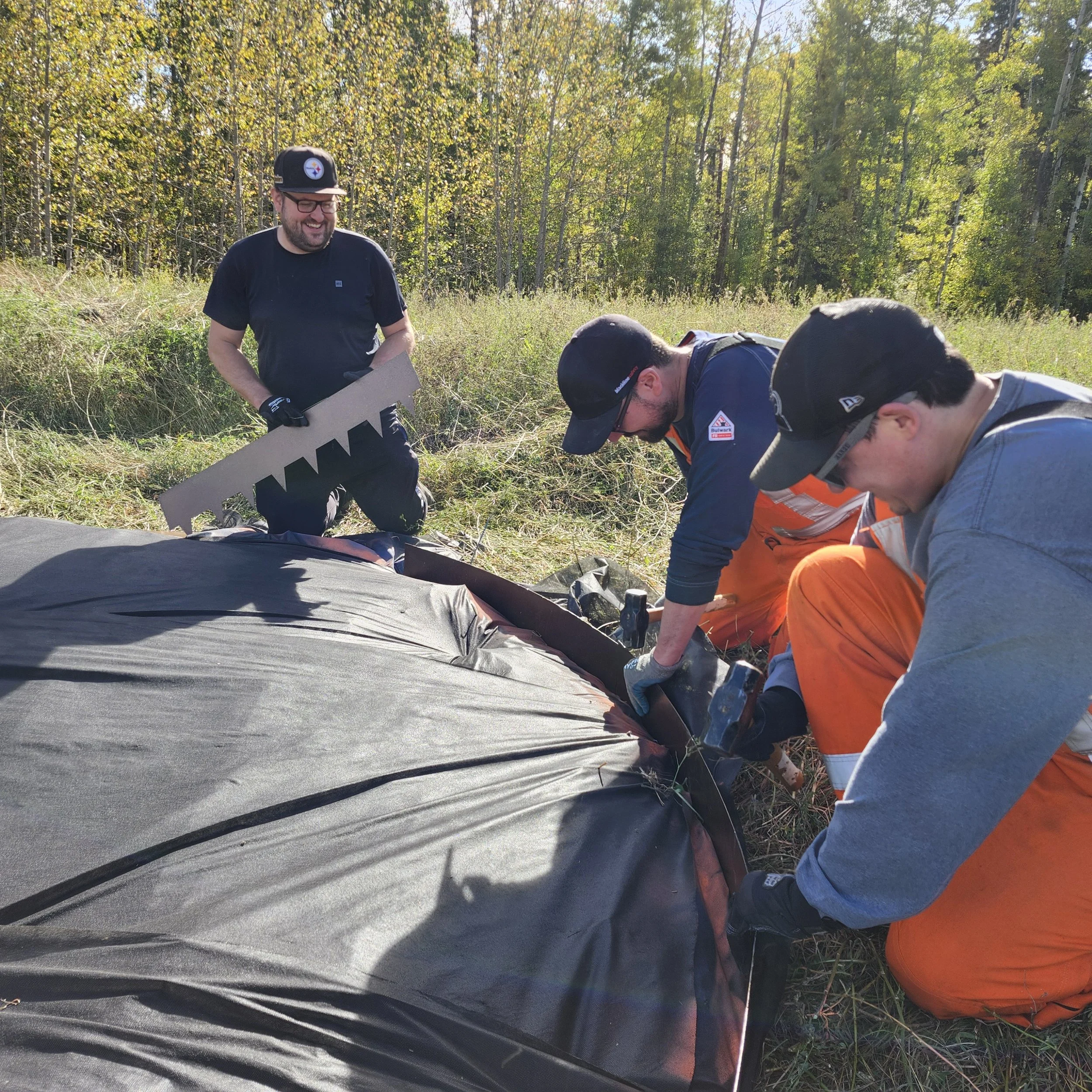
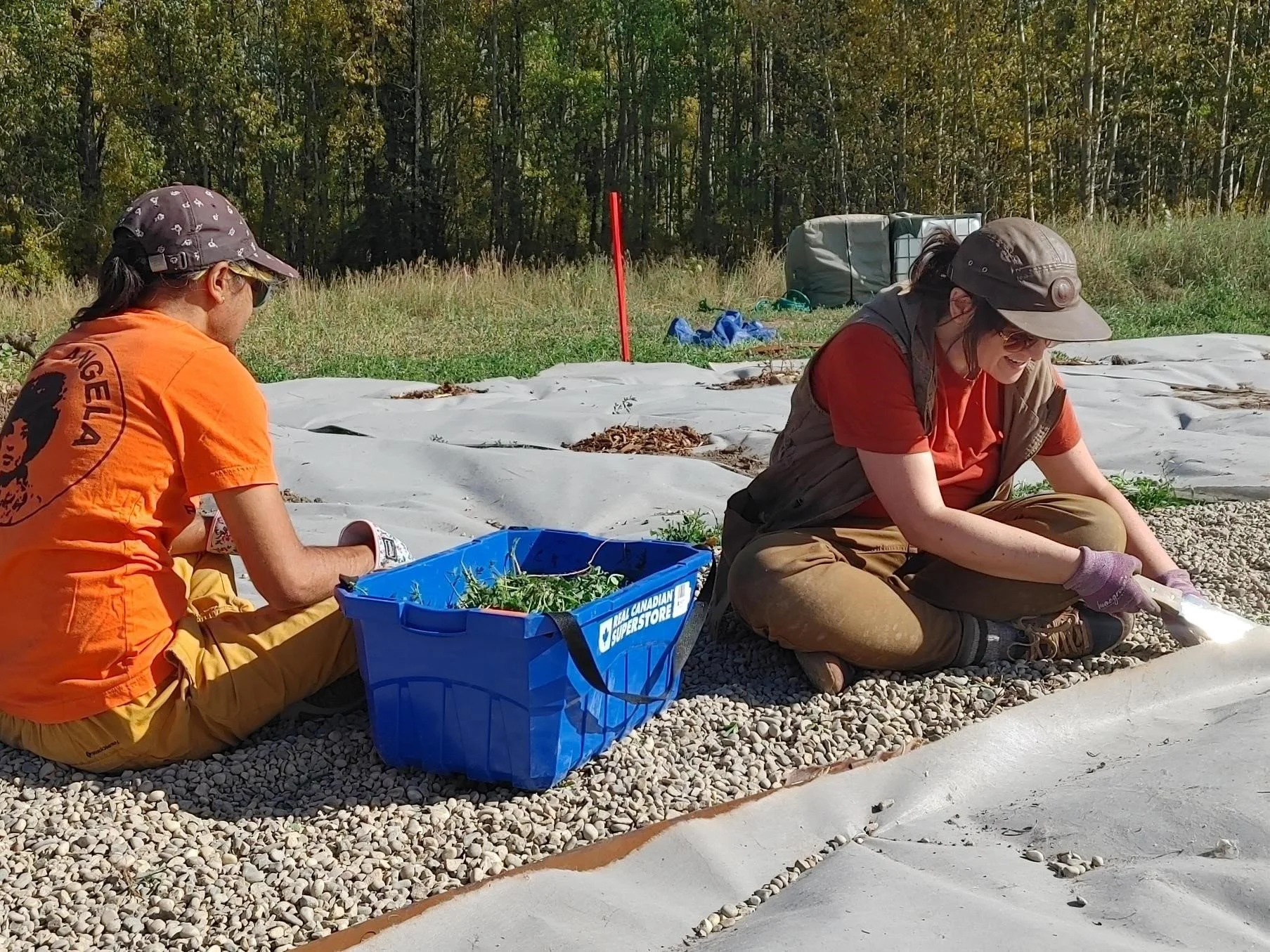
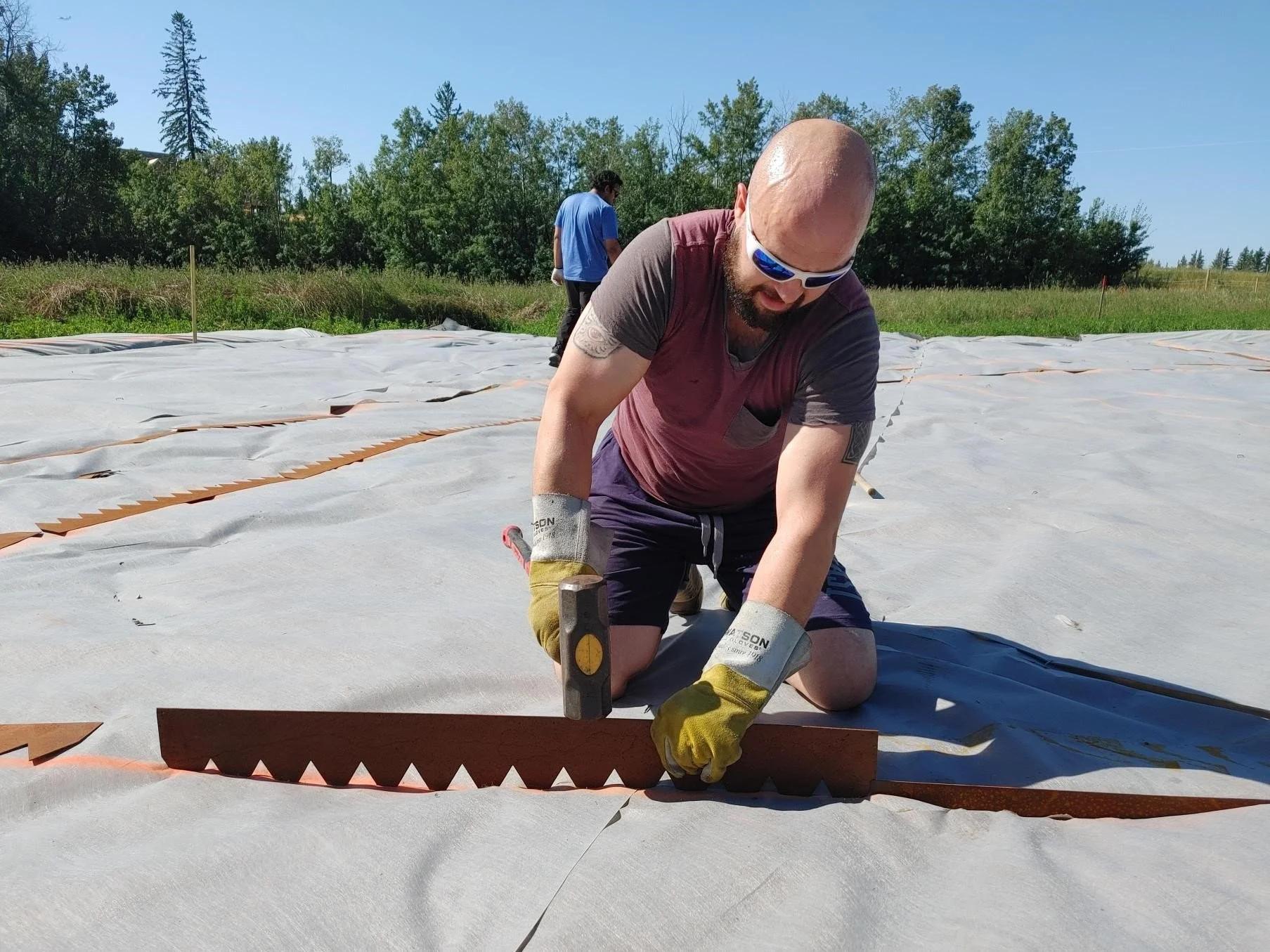
The building phase consisted of Stewardship Events, Corporate Events, Staff Field Days, and Indigenous Community Partner events. In 2025, we hosted 8 different events at the Medicine Garden.
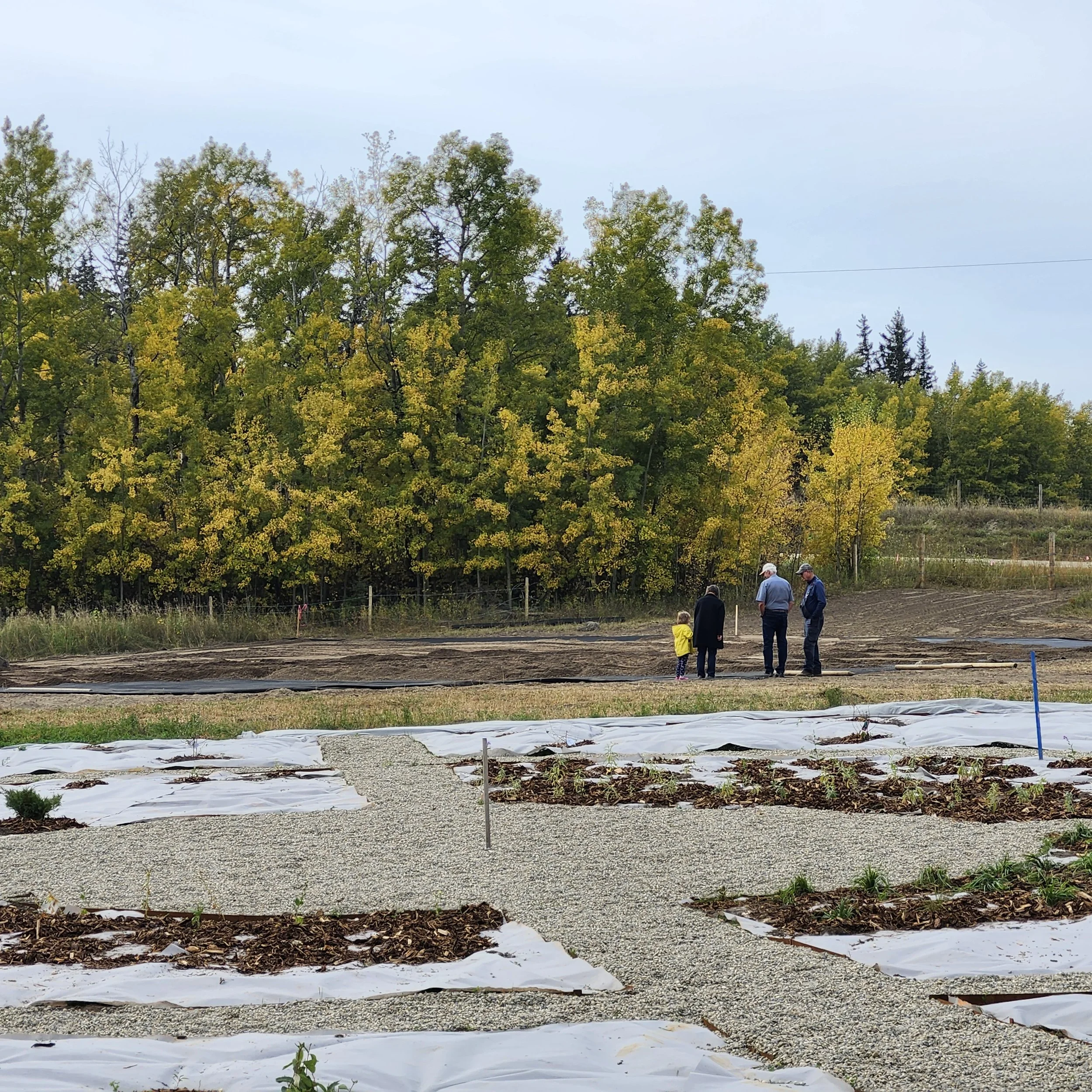
Throughout the process of building the Medicine Garden, from installing edging to spreading mulch, we started in the East and moved in a clockwise fashion, following the sun to honour traditions and protocol.
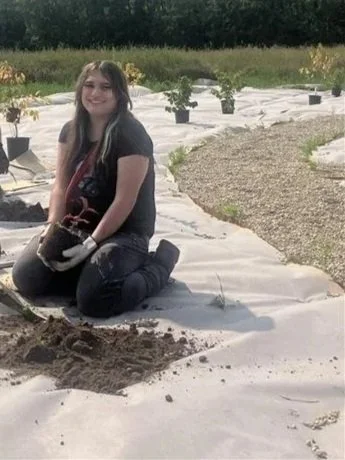
Here are just a few of the tasks our staff, volunteers, and partners completed to establish the garden:
Tarping the garden area the preceding fall to limit alfalfa and invasive species growth
Aggressive tilling to prepare the soil and remove alfalfa and invasive species
Installing garden edging, landscape fabric, gravel, and logs/tree cookies
Bucking downed trees and hauling heavy logs
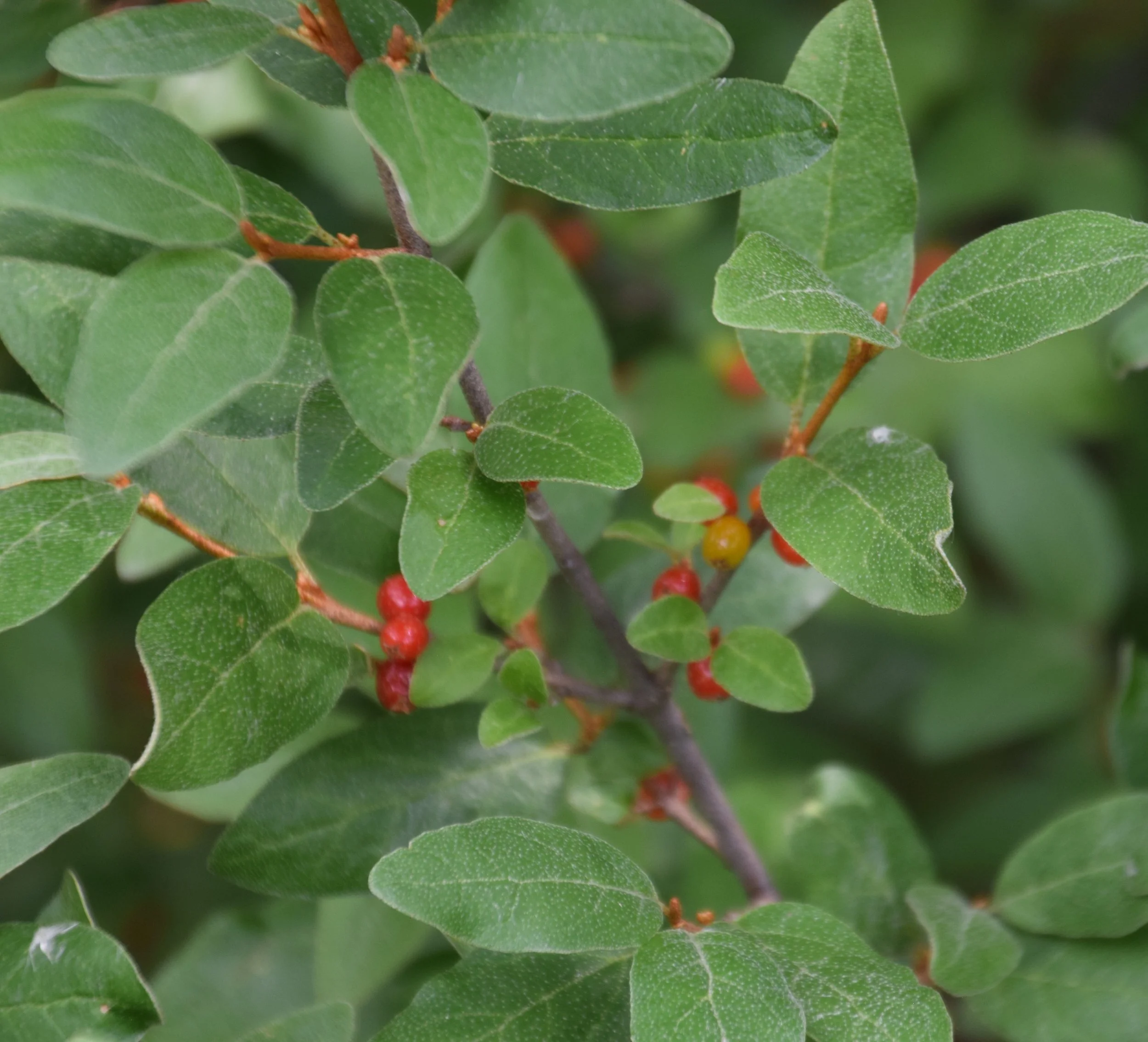
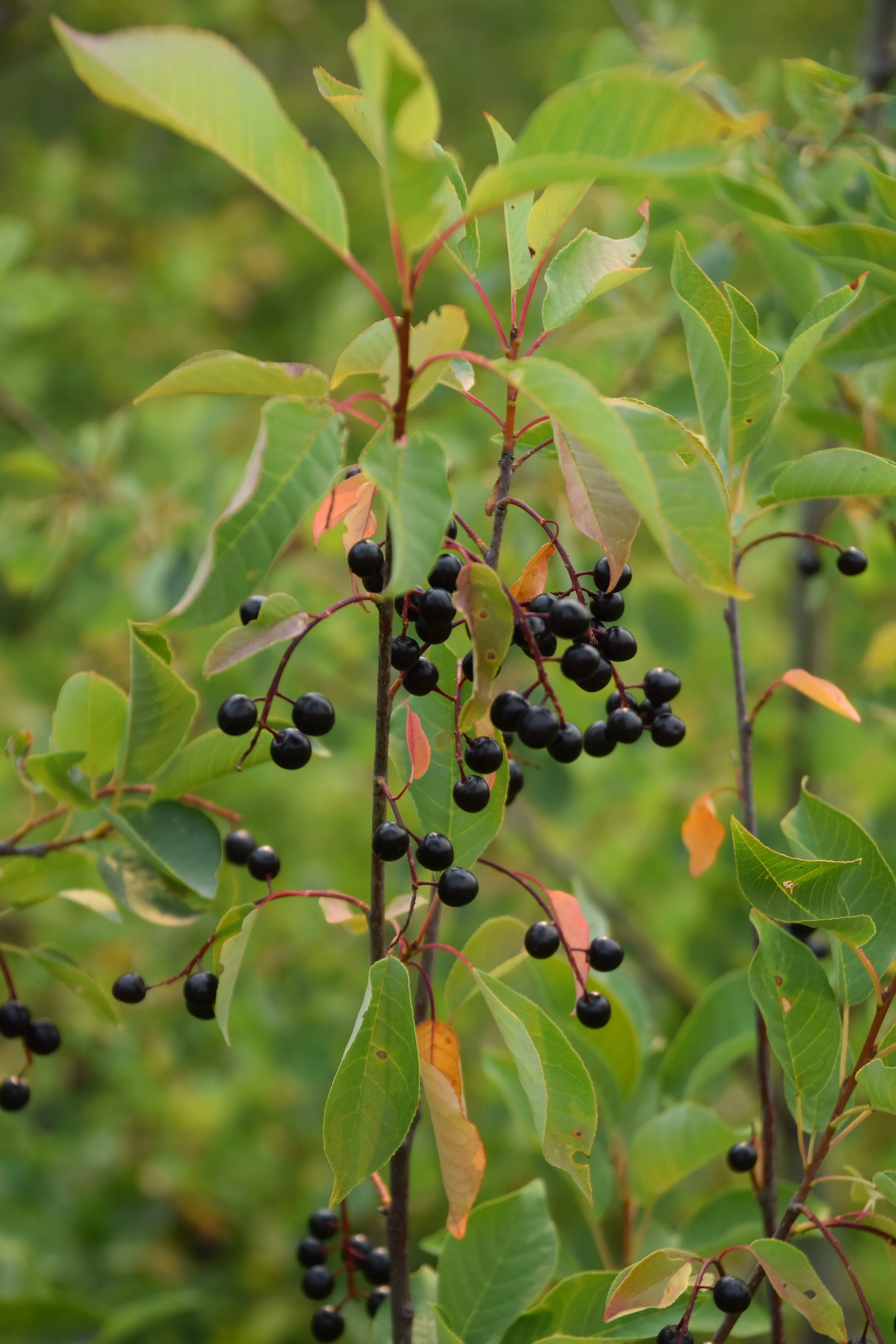
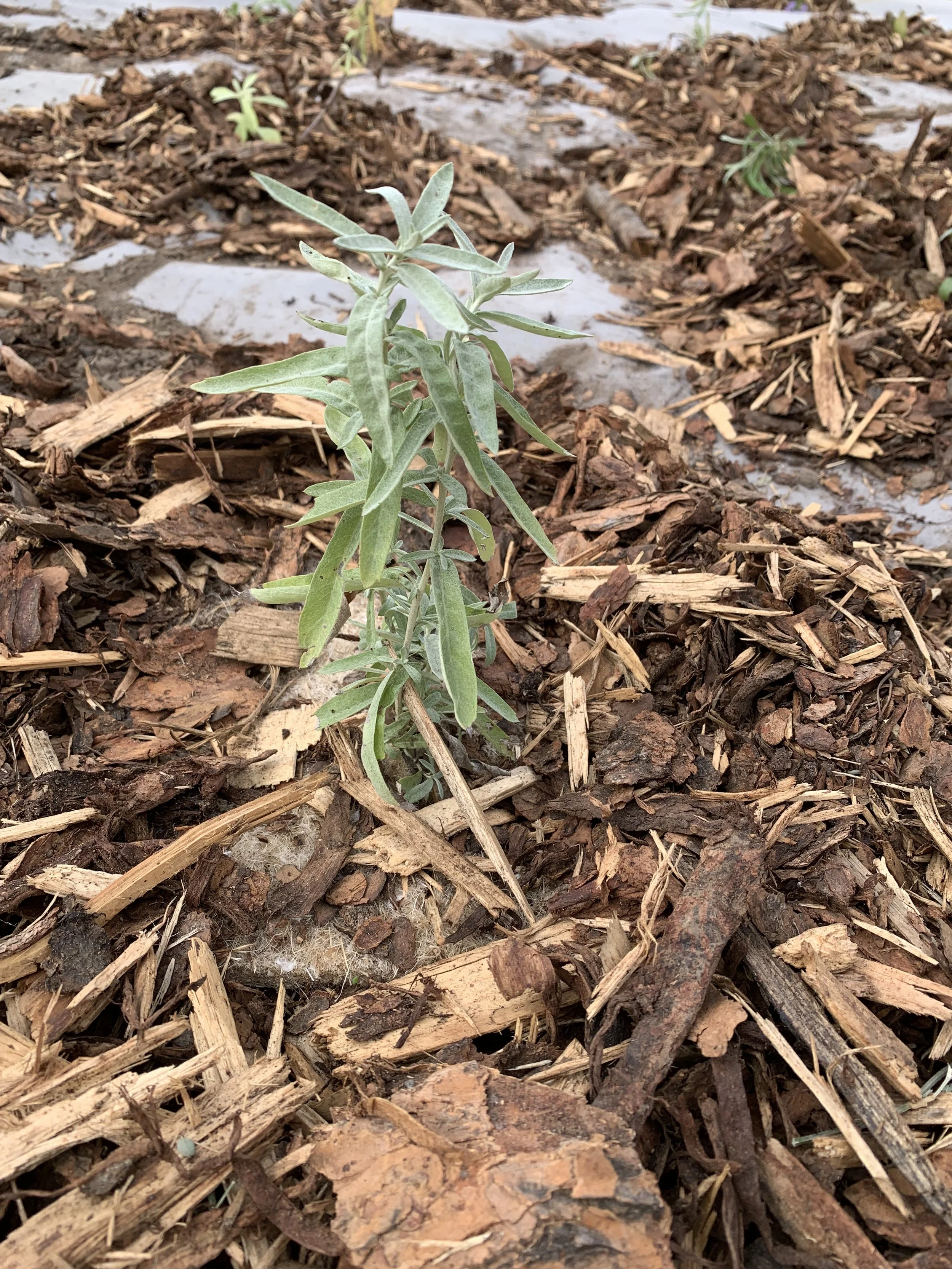
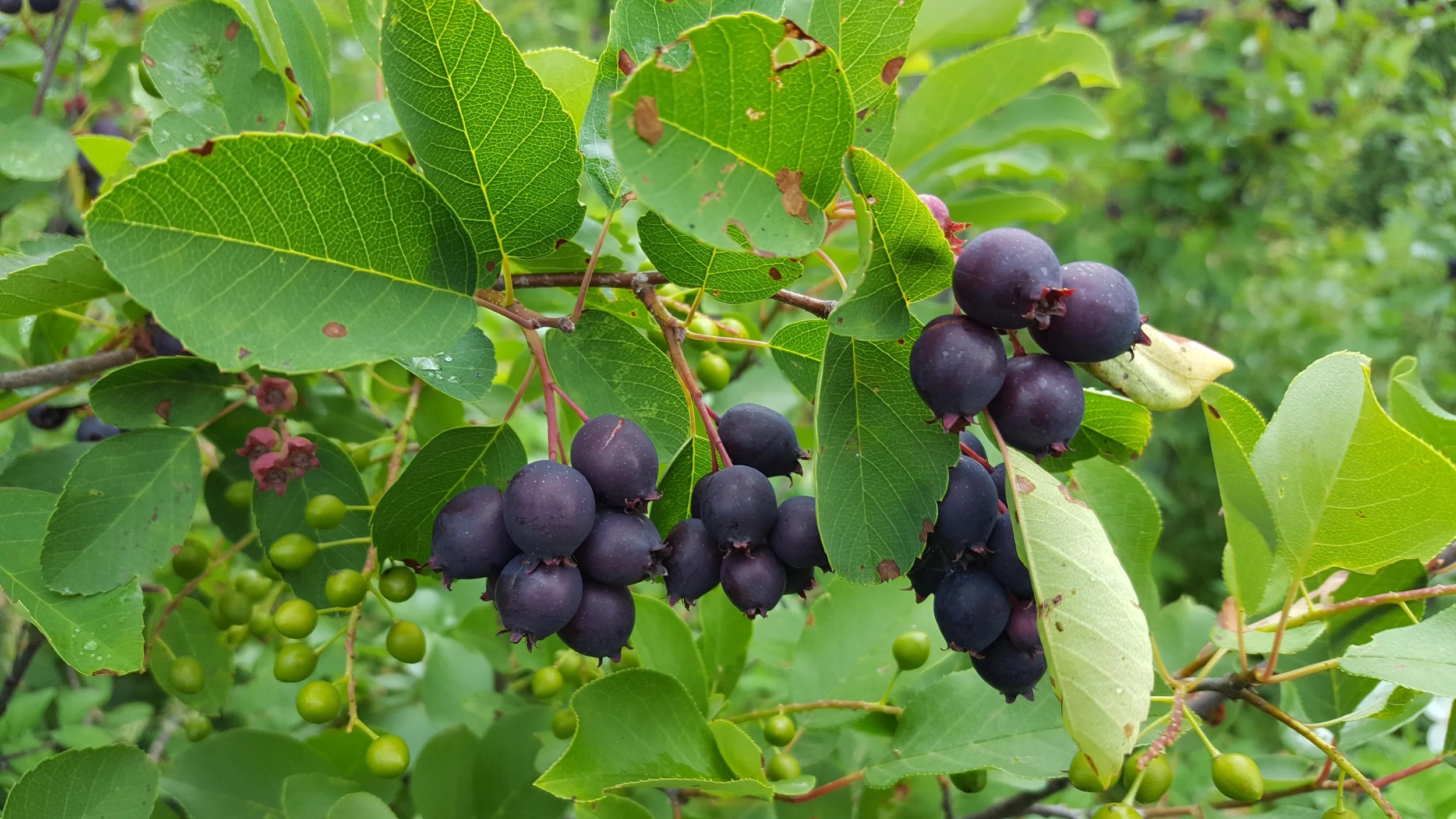
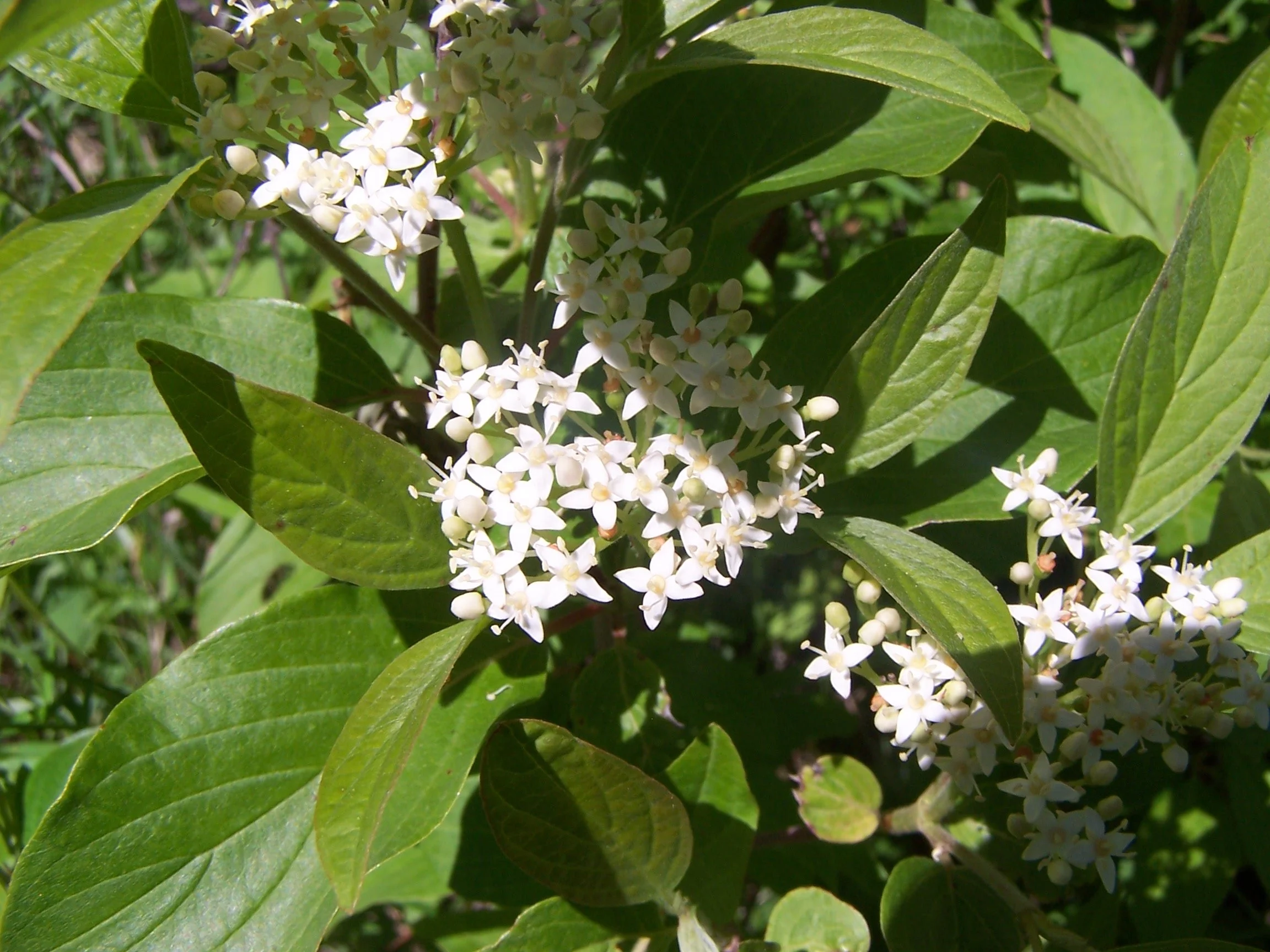
Planting a variety of shrubs and forbs
Design
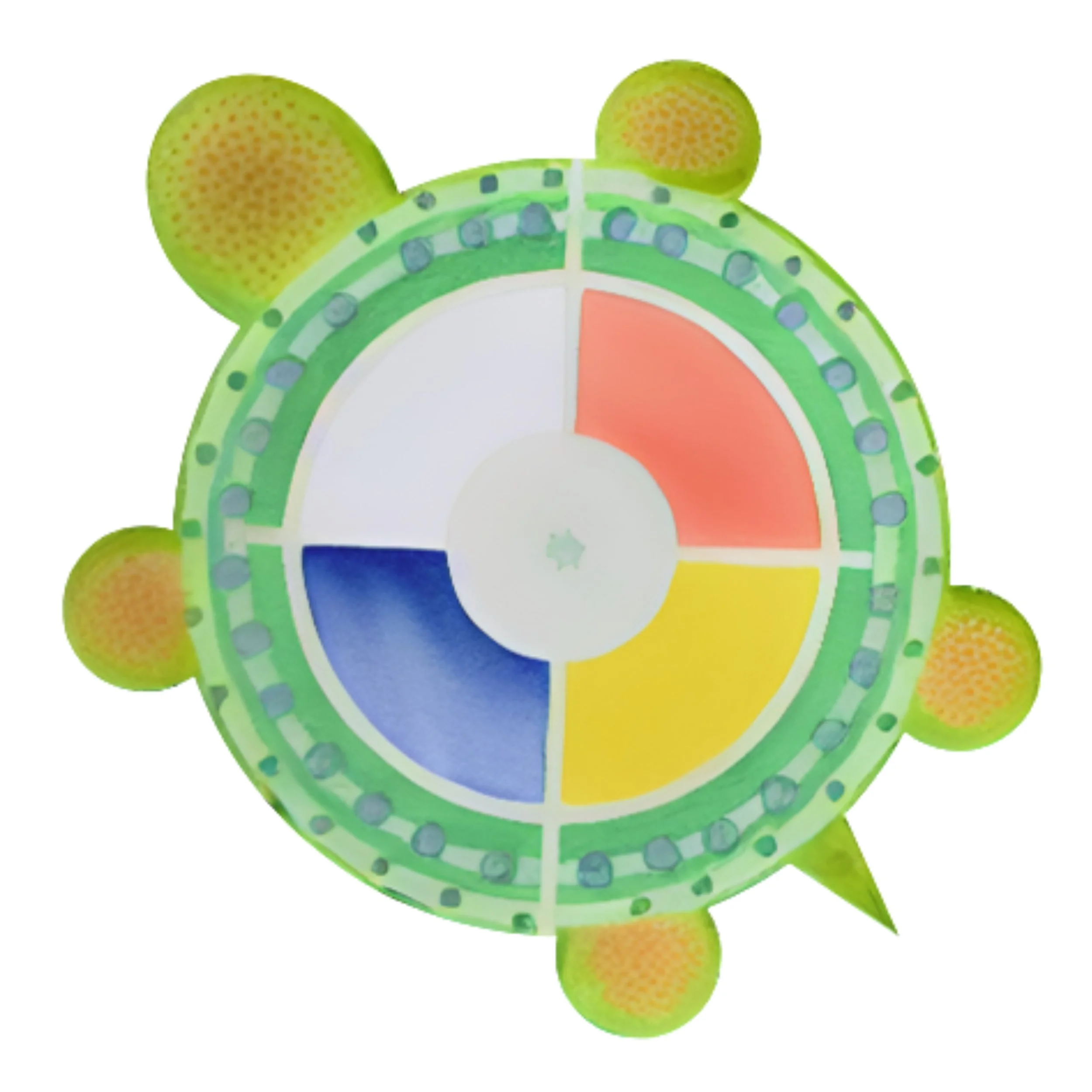
The garden design represents Turtle Island (North America). The planting area is shaped like a Medicine Wheel; each section represents one of the four directions. Medicine Wheel teachings – including colours, seasons, life stages, and more – can vary by community. This Medicine Wheel is white to the north, red to the east, yellow to the south, and blue to the west. Medicines were planted to match the colours and, over time, will grow where they choose.
We planted the four sacred medicines towards the inner part of each quadrant, bordering the inner circle of the garden - Tobacco, Juniper (in lieu of Cedar), Sage, and Sweetgrass.
The inner circle of the medicine garden is a space for meditation and ceremony.
There are two rings of 28 shrubs planted around the planting area. The number 28 represents the number of days between each full moon.
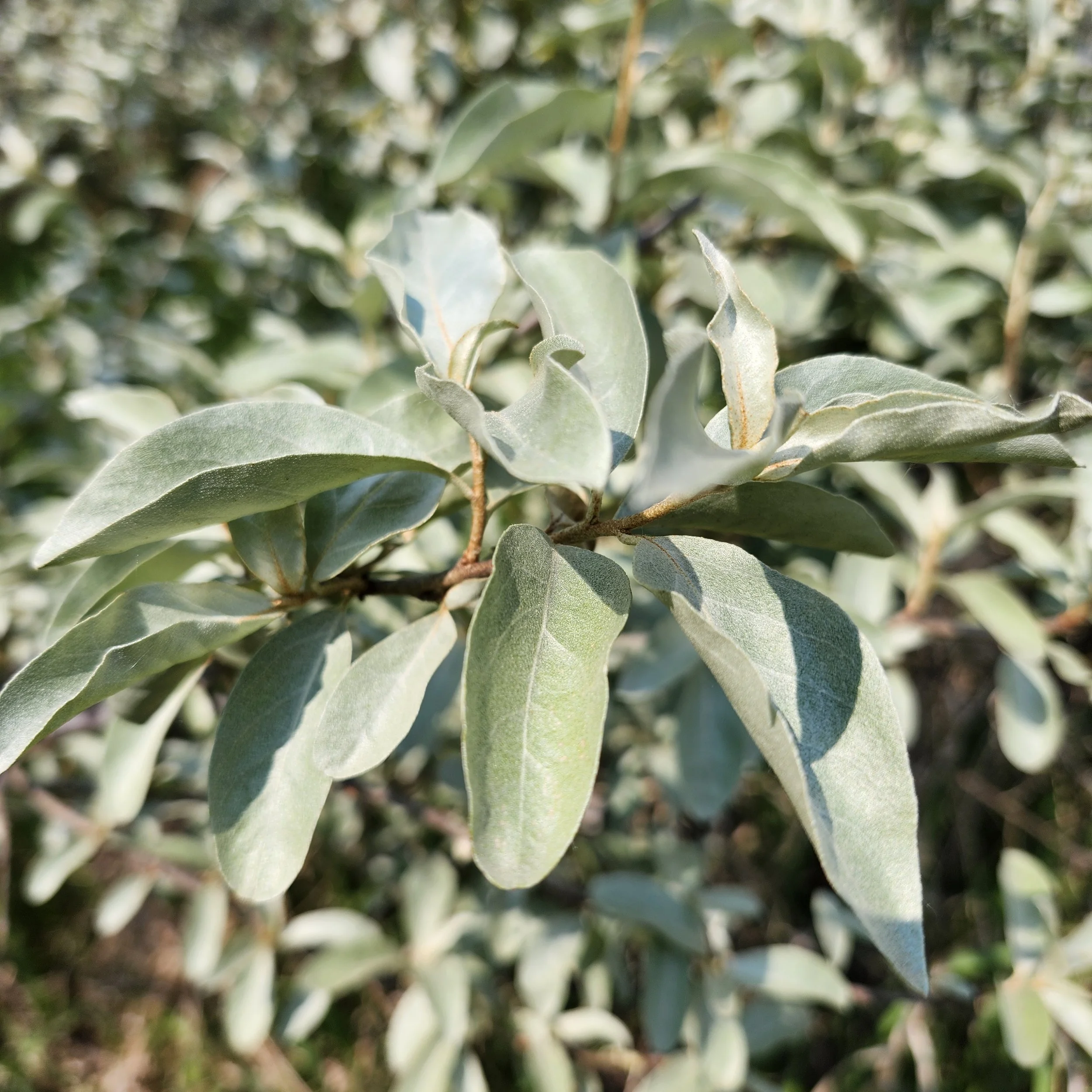
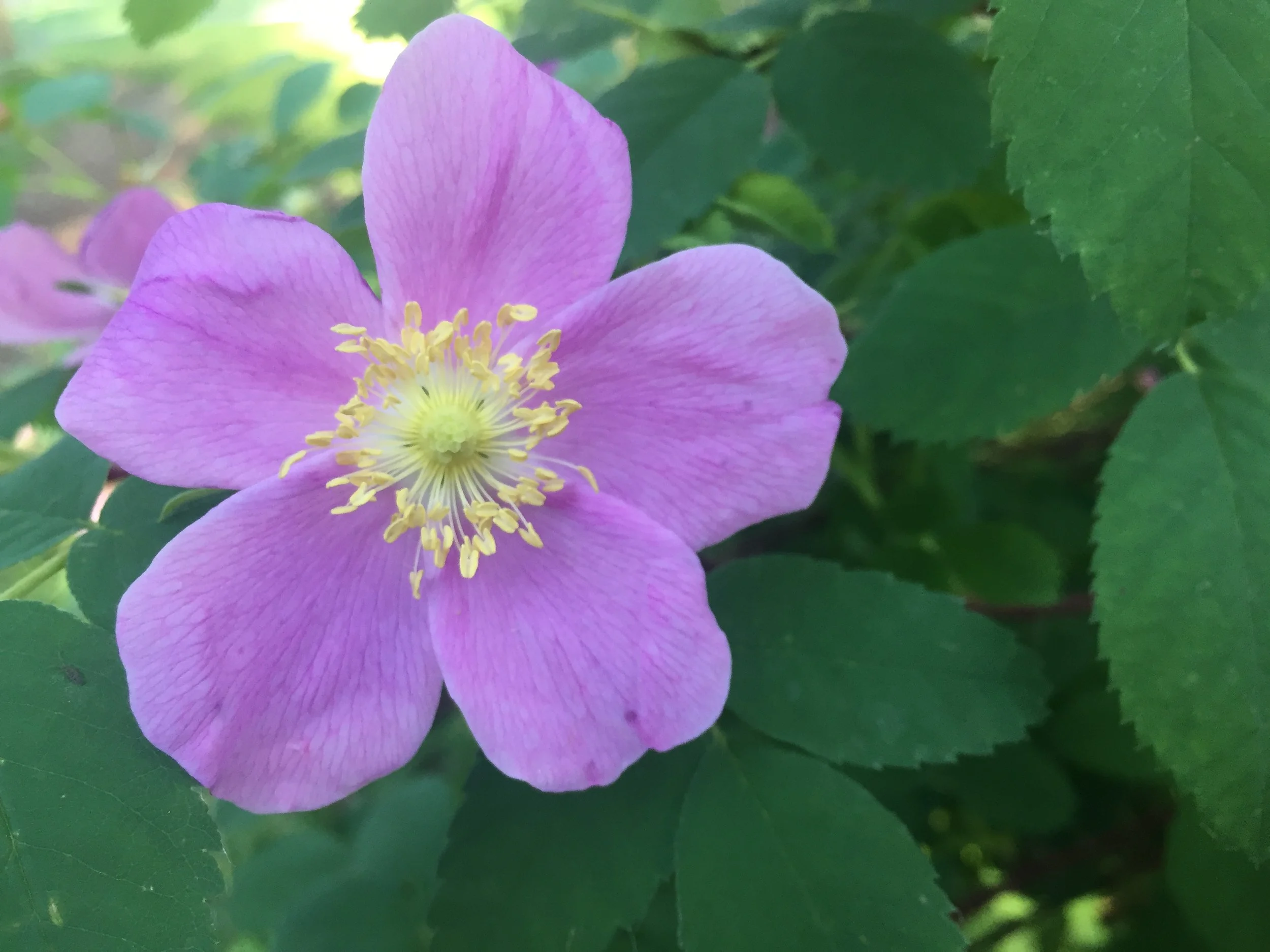
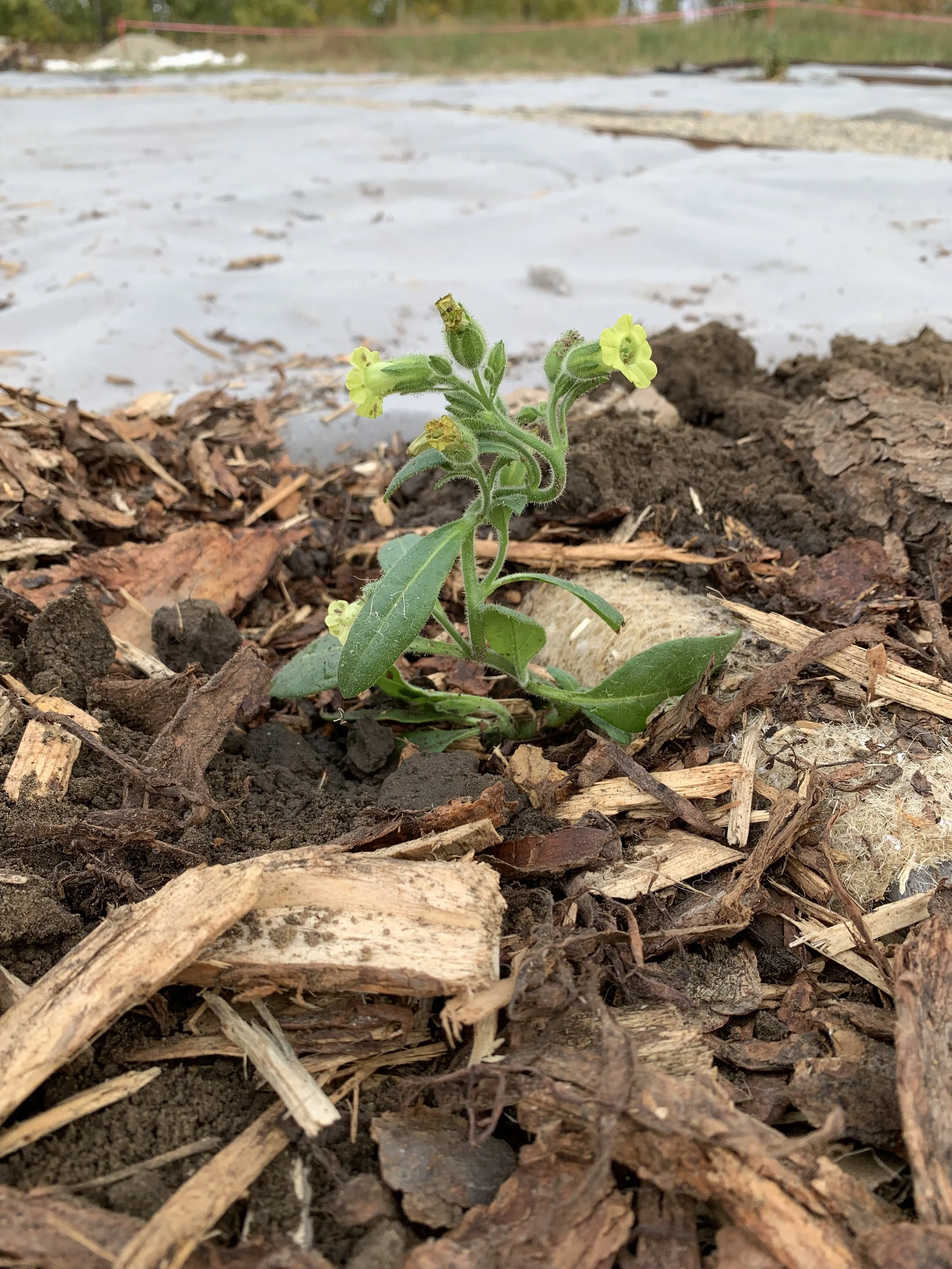
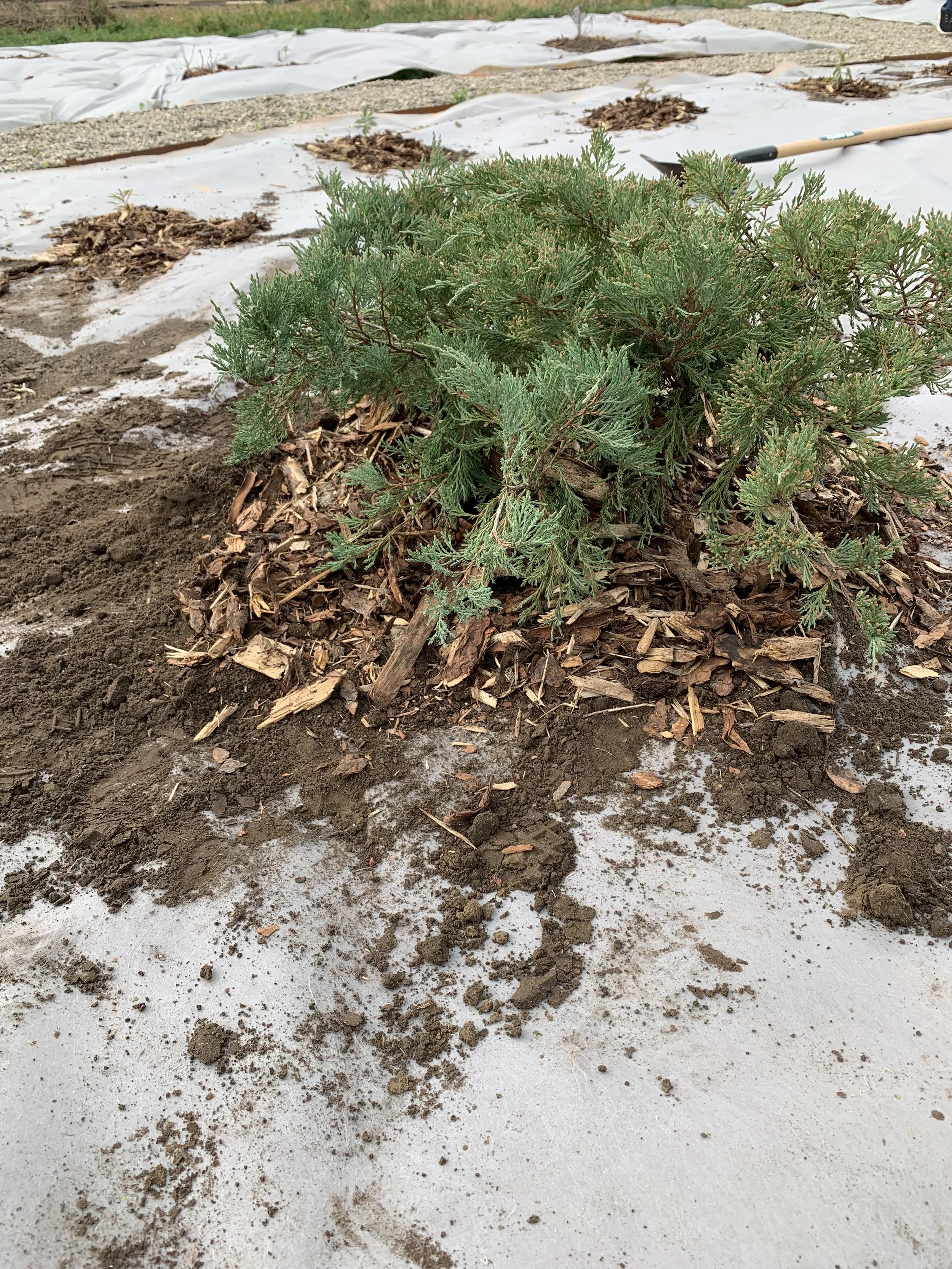
To learn more about this site or to get involved with stewarding this special place, get in touch with us or sign up for an event.
This project was funded by TD Friends of the Environment Foundation and supported by Elders, Indigenous community partners, and volunteers. We extend our thanks to Amrize for donating the gravel for the garden paths and gathering space.