By Conservation Outreach Volunteer
Teren Hazzard
Edmonton is situated in the North Saskatchewan Watershed, meaning the water we use and the water in our surrounding tributaries is sourced from the North Saskatchewan River. You may remember EPCOR’s ongoing Glass of the Sask Campaign reminding Edmontonians of the importance of our river for clean drinking water, but the North Saskatchewan River provides more than drinking water to Alberta’s parkland region. The tributaries, as well as snow melt and ground water, support the many wetlands in the region responsible for so many ecosystem services.

Wetland Significance
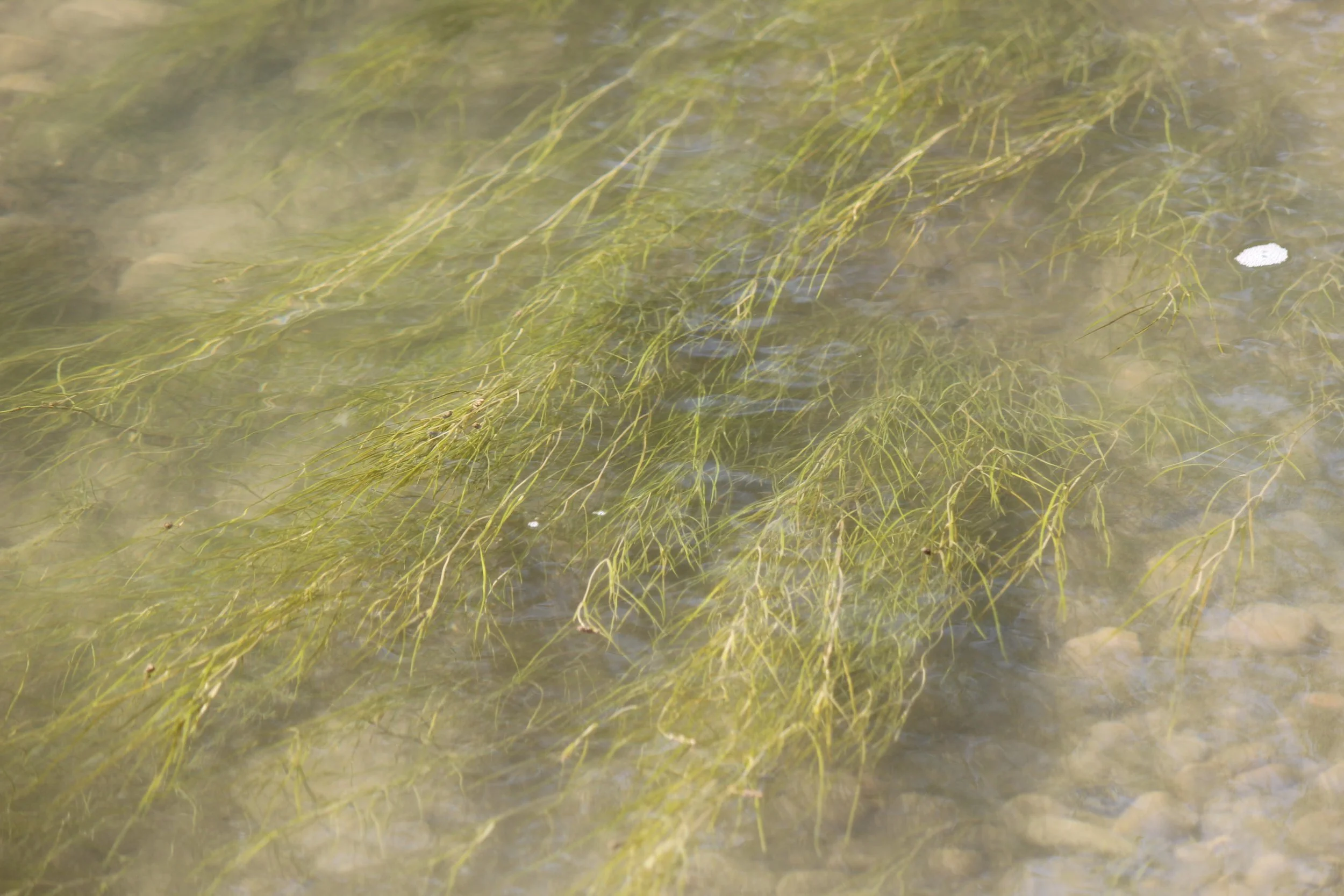
To begin with, wetlands improve water quality. Wetlands, particularly still ponds, allow sediments to settle to store pollutants to prevent eutrophication of water ways caused by phosphorus and nitrogen loading. Fertilizers with high levels of phosphorus and nitrogen can run off into streams. When this happens, algal blooms can form, causing dissolved oxygen levels to plummet. This prevents fish as well as other vertebrates and invertebrates from being able to live in the waterways. By allowing these pollutants to settle, we can allow native fish and aquatic plants to thrive. Wetlands are biodiversity hubs, that are not only homes to fish, but to many migratory birds. For example, ducks and geese call Alberta wetlands their home over the summer months before returning south in the winter. These northern habitats are social hubs for breeding, allowing for generations of migratory birds. Invertebrates and insects also make their home in wetlands, acting as a vital part of the food chain. Small ponds and wetlands in city parks also give runoff from city streets a place to rest and be filtered. Wetlands are great flood prevention, storing water that might otherwise surge into neighbourhoods, or even houses. In the city and surrounding metros, wetlands store water to prevent road flooding during extreme storms and snow melt. In areas with agriculture, wetlands also prevent crop flooding.
Wetlands Require Compromise
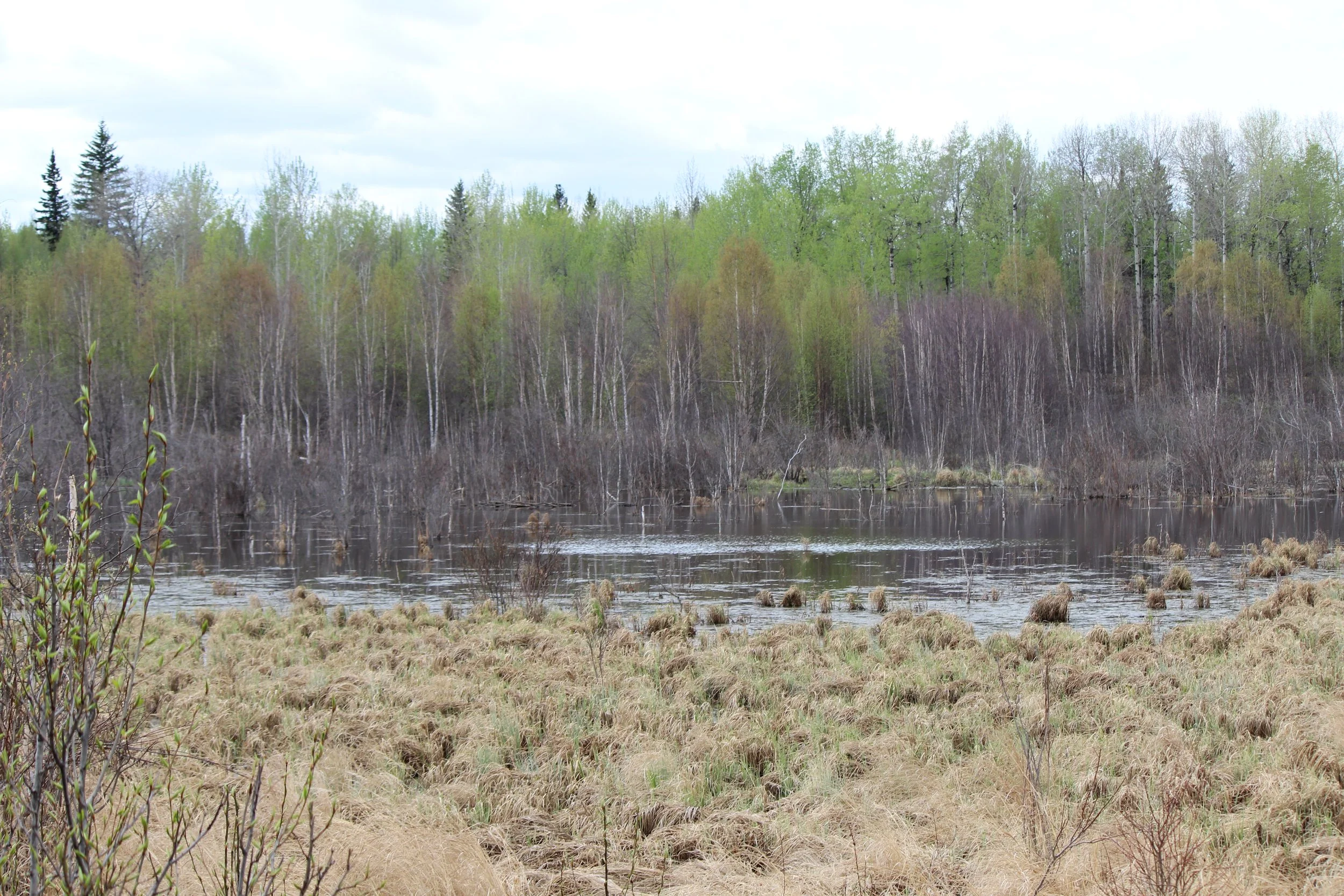
Of course, while wetlands have many benefits, they do come with trade offs. Wetlands take up space and can only exist with responsible land use. Over the years, many wetlands have been drained for urban development or to create more available agricultural land. This has caused a loss of habitat for those migratory species, increased flooding, and decreased water storage. Wetlands store water from seasonal events, including from seasonal snow melt (freshet). Freshet cycles water through the water cycle, recharging natural water sources for our drinking water and agricultural use. Supporting natural water cycles also allows for the cycle of nutrients needed for plants, crops, and positive ecosystem health. Draining wetlands has exacerbated the effects of drought in Alberta, decreasing the available water supply during hot seasons and increasing erosion.
Restoring Wetlands
The Alberta Wetland Policy has begun to push Alberta towards conserving the wetlands we have and restoring the wetlands we have lost. There are many strategies for sustainable wetland management, including consolidating land for wetlands, fencing off spaces from grazing, and establishing buffers around wetlands. In forested areas, planting trees and protecting natural waterways are more strategies to prevent erosion and degradation of wetlands. There’s still a lot to understand about wetland management, but practices are slowly improving. Policy makers, farmers, and land managers can make a great difference in wetland protection, but so can we.
You Can Help!
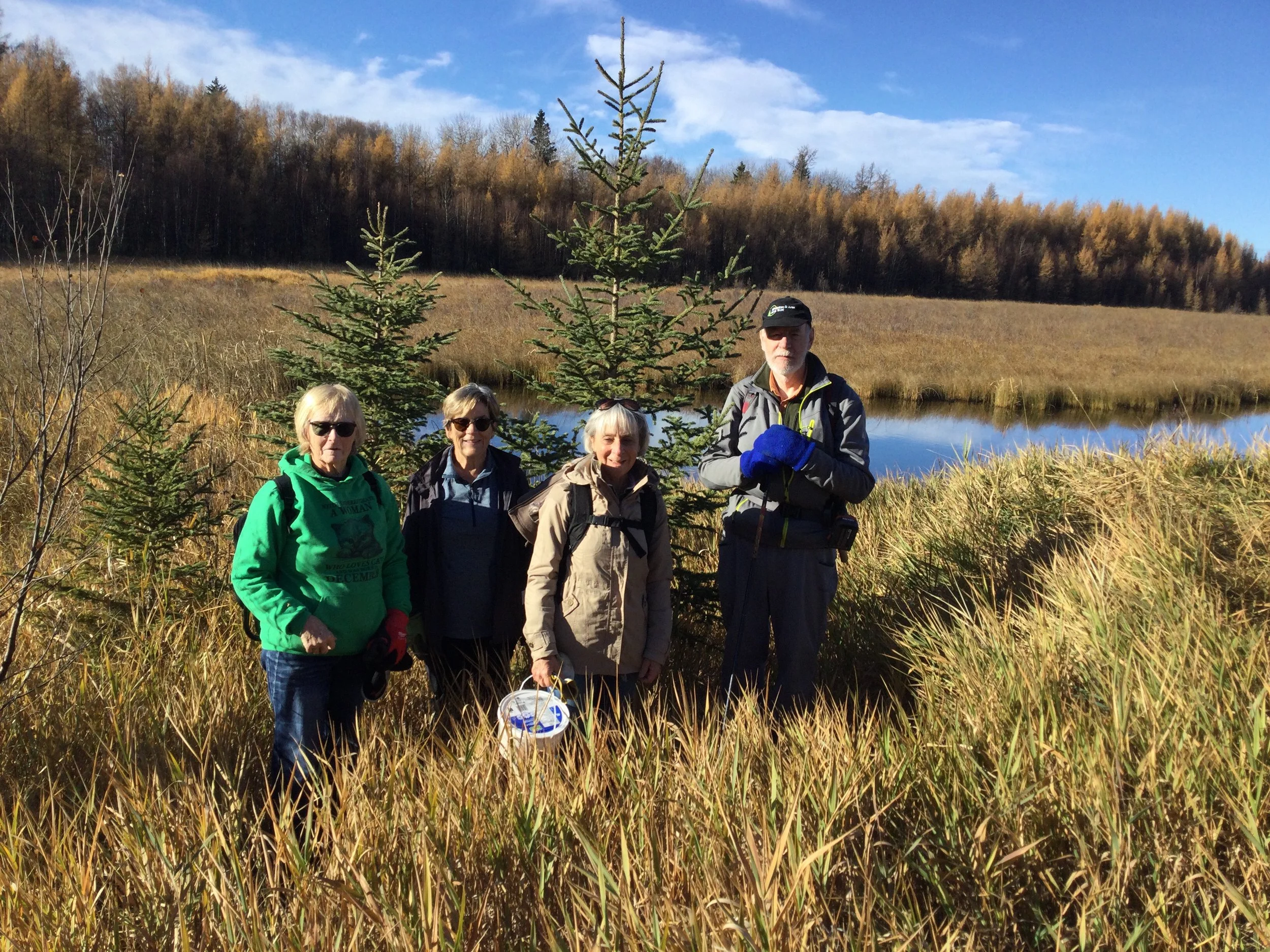
The simplest way we can protect wetlands everyday is trash cleanup. There are regular Edmonton River Valley Community Cleanups, but you can also take a trash bag and some gloves to a pond in your neighbourhood.
You can also reduce your use of fertilizers and pesticides in your lawn, and be more conscious of runoff into natural waterways. Volunteering with, donating to, or supporting local environmental groups can also make a difference for wetlands. There are many groups you can find with a simple google search, including the Edmonton River Valley Conservation Coalition, the Beaverhills Biosphere, the Alberta Amphibian and Reptile Conservancy, and of course EALT! Your everyday actions are important for wetlands and for our watershed. The North Saskatchewan River Valley and wetlands provide many services for us and our ecosystem, and in turn, we can protect their integrity for generations to come.

If you want to contribute great pieces such as this one by Teren Hazzard, please consider joining EALT as a Conservation Outreach Volunteer here. Our COV volunteers are invaluable in helping us educate everyday people with all things nature and conservation!